- IT Support
Why Regular IT Health Checks Save Your Business Money
21 Jan, 2026
£2532.19 inc. VAT
AI-generated summary
At £2110+ ex‑VAT, the NVIDIA L4 is only “good value” if you’re buying it for the jobs it’s actually built for: steady AI inference, GPU-accelerated video/streaming workloads, and inference-heavy deployments where you care about performance-per-rack unit rather than gaming-class features. The big practical win here is the passive design and sensible bracket options—less fuss with thermals and fan control tends to mean fewer headaches in quiet or thermally constrained server environments. If you’re running a small stack in a UK data hall/office where uptime and predictable operation matter, it’s the sort of card that usually earns its keep.
That said, I wouldn’t buy an L4 if your goal is general-purpose “train big models” compute, or if your workloads are bursty and memory/compute-heavy in a way that needs bigger, faster parts. Also, check compatibility beyond the marketing copy: make sure your server/chassis actually supports the bracket/airflow assumptions, and be realistic about software stack fit (drivers, inference frameworks, and your existing tooling). If you’re already invested in NVIDIA for inference, this is a solid, no-drama option; if you’re shopping purely for raw horsepower at the same price band, you’ll likely find better matches for your specific performance needs.
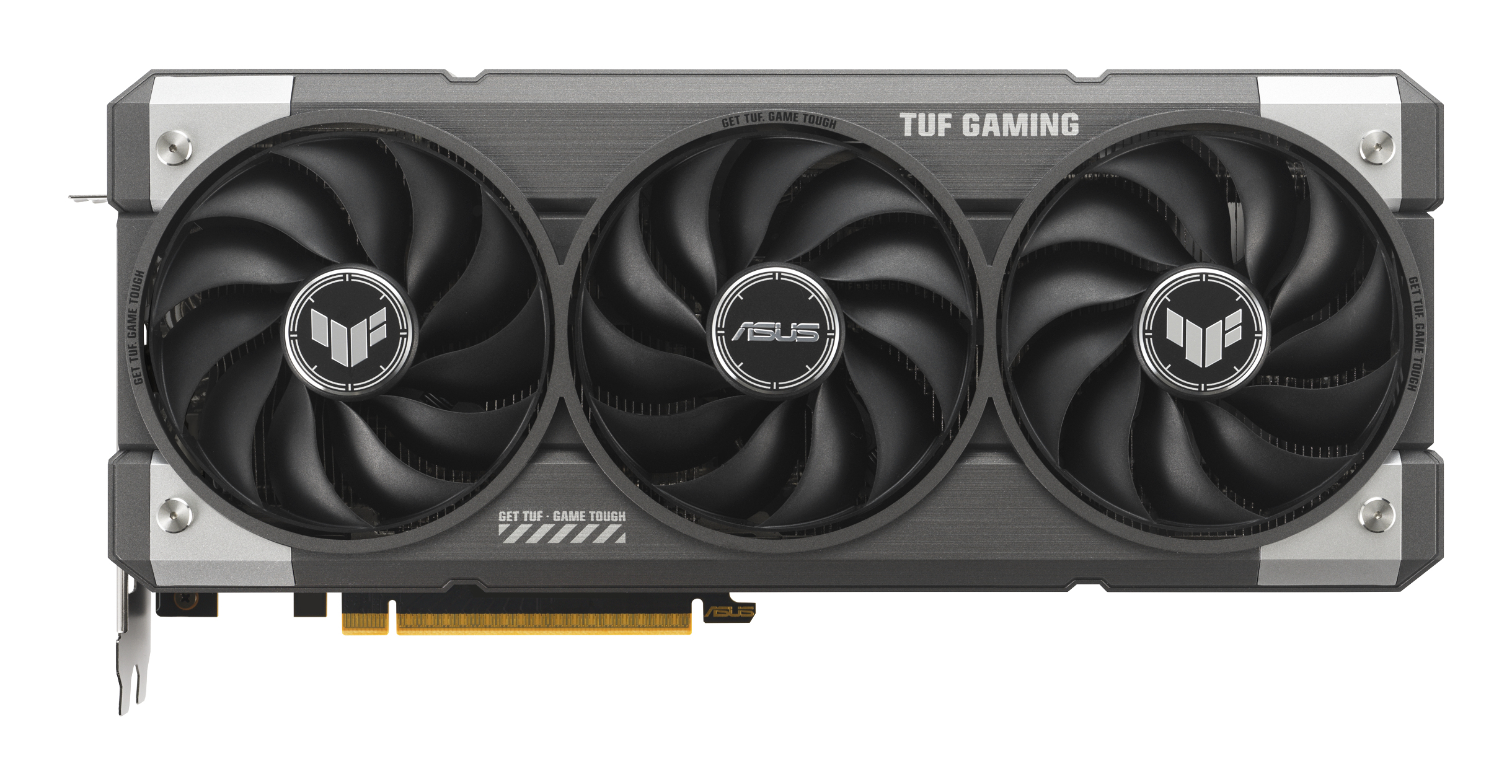
Asus
ASUS TUF Gaming GeForce RTX 5060 OC 8GB - OC Edition - graphics card - GeForce RTX 5060 - 8 GB GDDR7 - PCI Express 5.0 - 3 x DisplayPort, HDMI
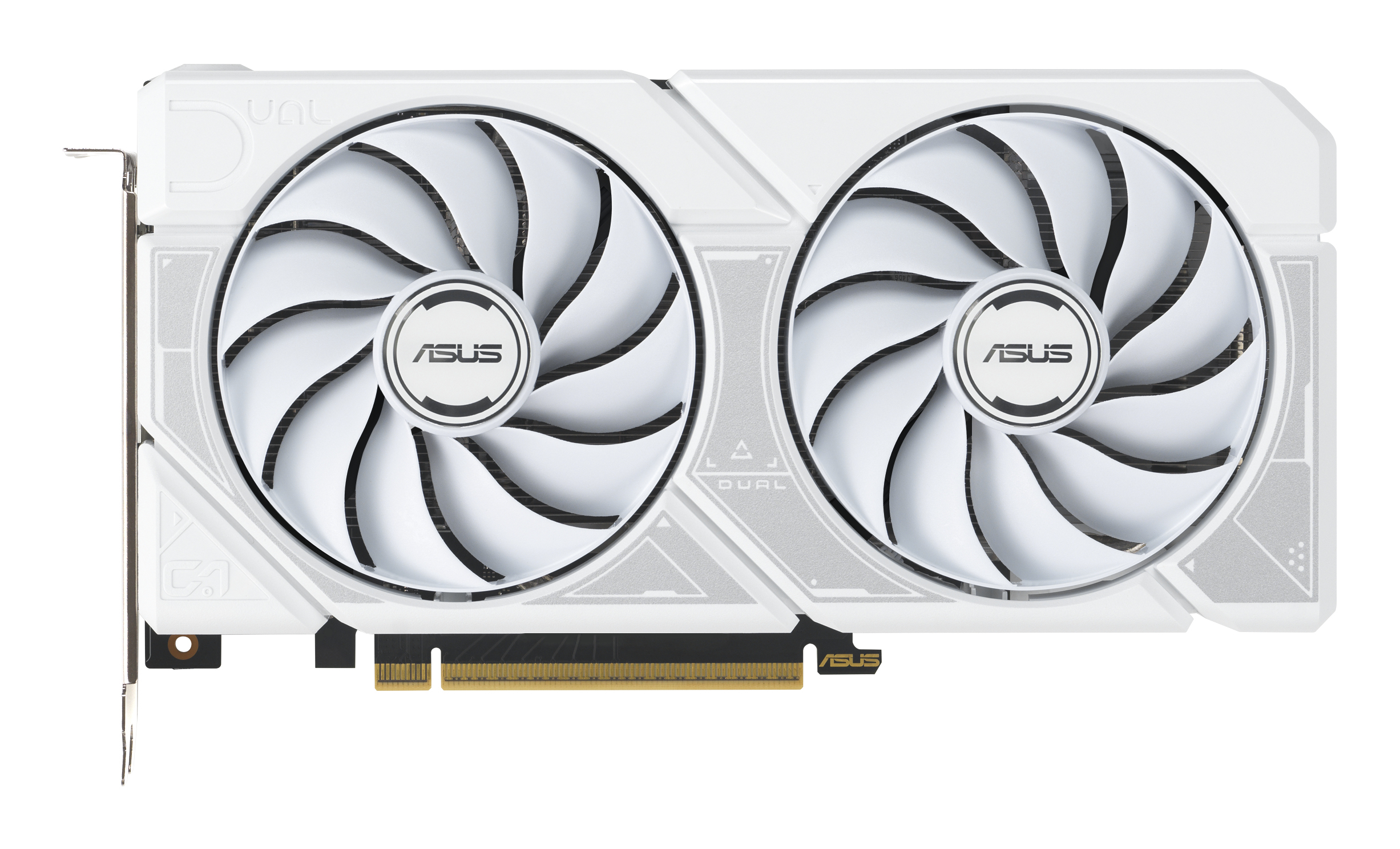
Asus
ASUS Dual - White OC Edition - graphics card - GeForce RTX 5060 Ti - 8 GB GDDR7 - PCI Express 5.0 - 3 x DisplayPort, HDMI - white - box
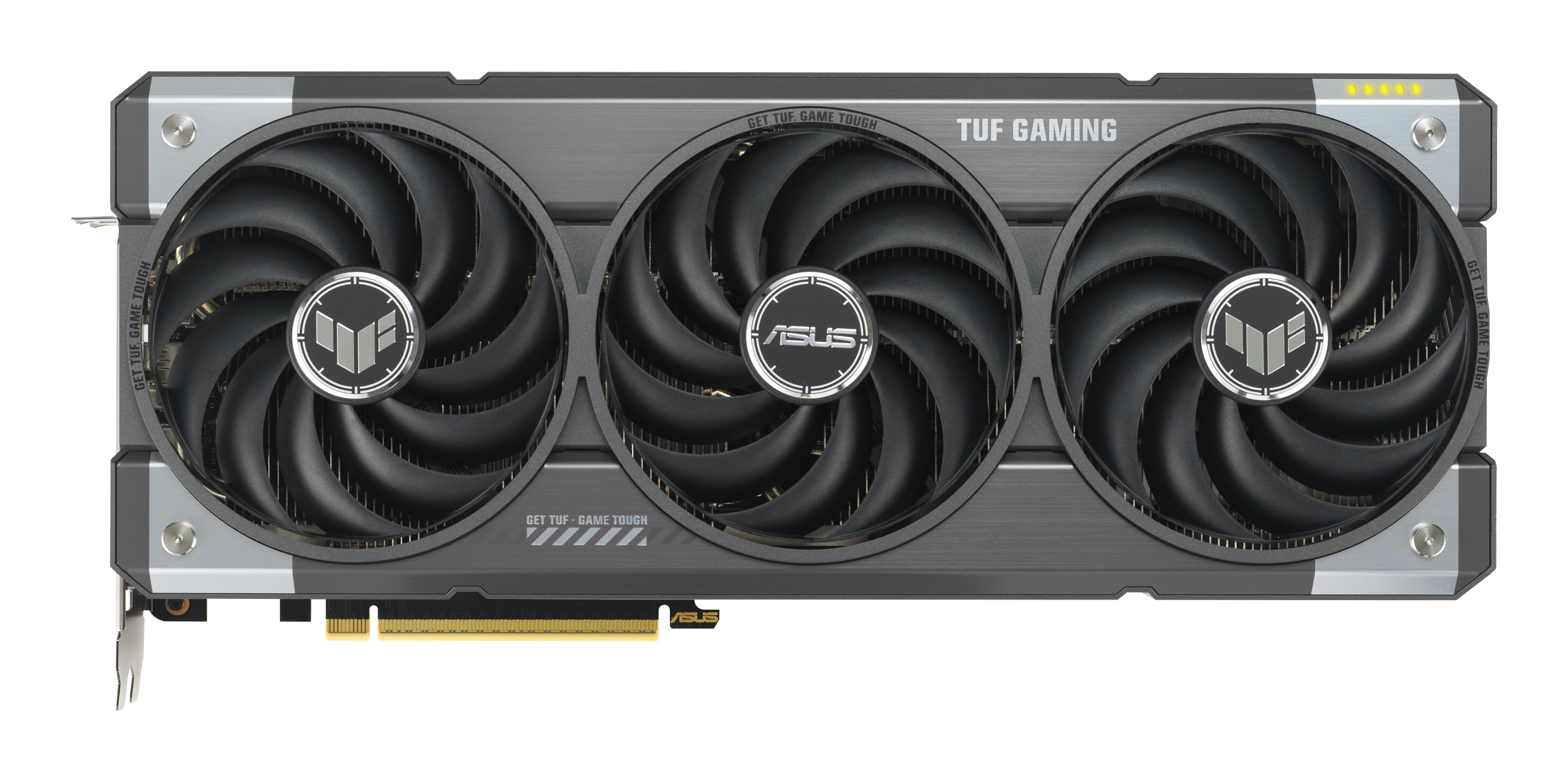
Asus
ASUS TUF Gaming GeForce RTX 5070 Ti 16GB - OC Edition - graphics card - GeForce RTX 5070 Ti - 16 GB GDDR7 - PCI Express 5.0 - 3 x DisplayPort, HDMI - grey
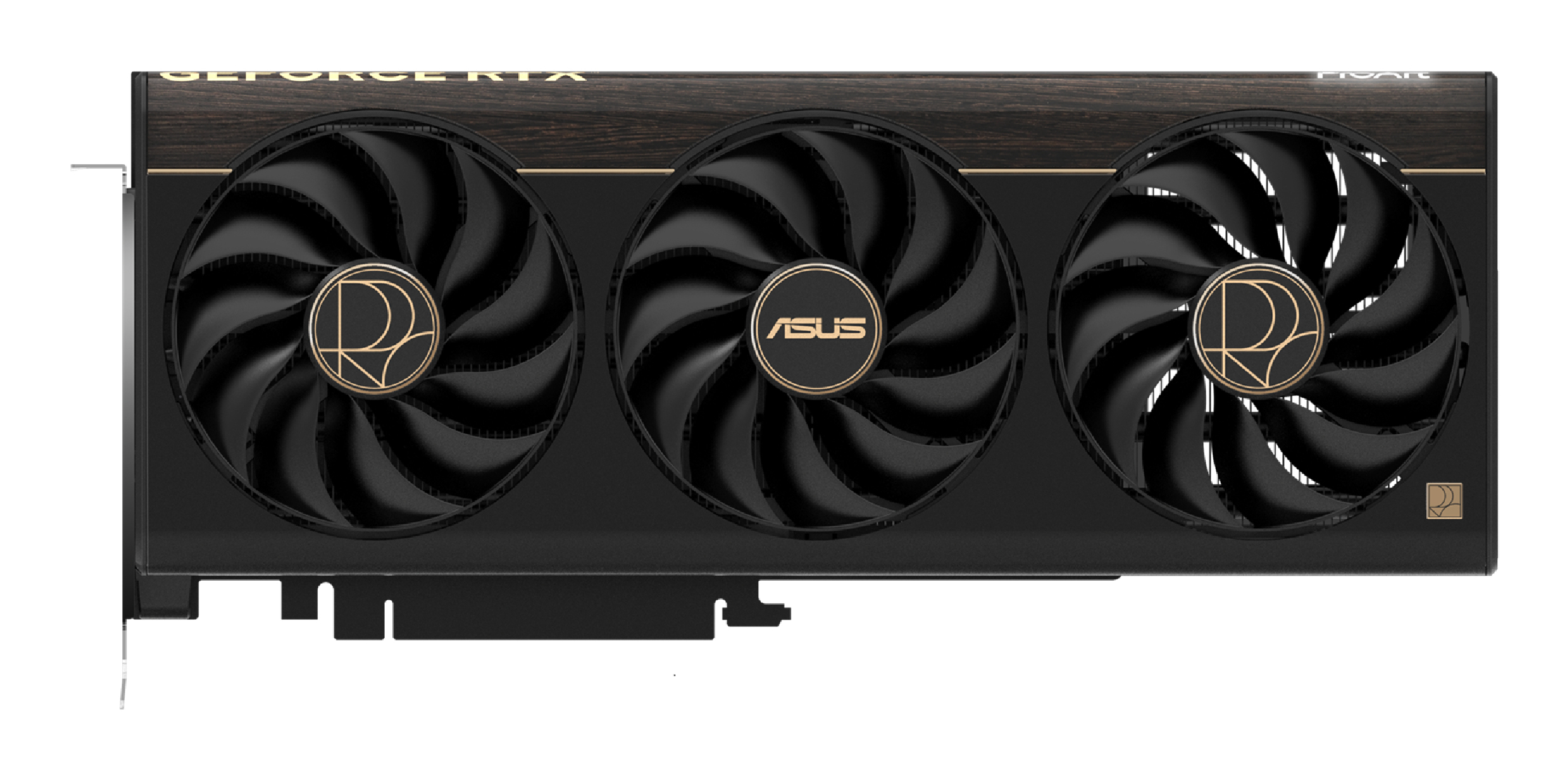
Asus
ASUS ProArt - Graphics card - GeForce RTX 5080 - 16 GB GDDR7 - PCI Express 5.0 - HDMI, 2 x DisplayPort, USB-C