- Cloud Email
Microsoft 365 vs Google Workspace: Which is Better for Business?
25 Jan, 2026
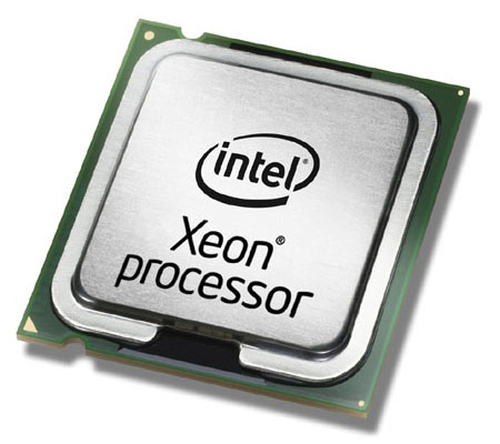
£2736.00 inc. VAT
AI-generated summary
If you’re paying £2,280 ex-VAT for a Xeon Silver 4215R, you’d better be using it in a server workload where its strengths actually matter. This is the sort of CPU that makes sense for multi-user, virtualization-heavy or “lots of steady, predictable compute” environments—think virtual machines, light-to-moderate database workloads, or general enterprise application servers that need reliability rather than peak single-thread bragging rights. For a UK reseller customer, the real question is whether this chip is replacing a weaker CPU in an existing platform, or whether you’re building something that you’ll keep for years. In that scenario, it can be value-for-money because you’re not just buying speed—you’re buying stability and the usual enterprise ecosystem support.
But I wouldn’t buy this “just because it’s a Xeon” for anything small, or for workloads that can’t keep cores busy (some web/app servers, straightforward file services, dev/test setups). Also, at this price point, you should sanity-check the total bill: it’s easy to overspend on the processor while missing out on cheaper wins like memory capacity, storage performance, or platform efficiency (all of which often move the needle more day-to-day). If you tell me what server model it’s going into and what you’re running (VM count, apps, databases, general usage), I can give a much sharper “buy vs skip” recommendation.

Lenovo
Intel Xeon Gold 5315Y - 3.2 GHz - 8-core - 16 threads - 12 MB cache - for ThinkAgile MX3330-F Appliance, MX3330-H Appliance, MX3331-F Certified Node
Lenovo
Intel Xeon Gold 6426Y - 2.5 GHz - 16-core - 32 threads - 37.5 MB cache - for ThinkSystem SR630 V3
Lenovo
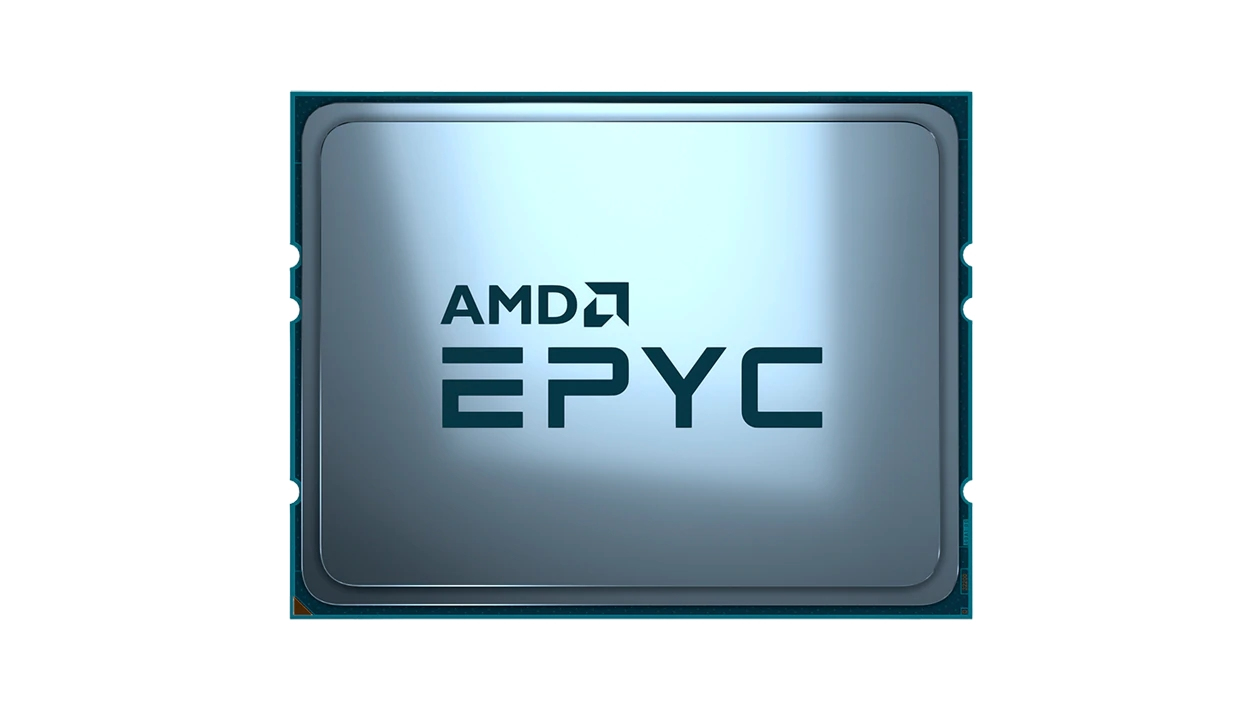
AMD EPYC 7313 - 3 GHz - 16-core - 32 threads - 128 MB cache - for ThinkSystem SR645 7D2X, 7D2Y
Lenovo
Intel Xeon Silver 4410Y - 2 GHz - 12-core - 24 threads - 30 MB cache - for ThinkSystem ST650 V3 7D7A