- IT Office Moves
IT Decommissioning: How to Properly Shut Down Your Old Office
11 Mar, 2026

£101.57 inc. VAT
AI-generated summary
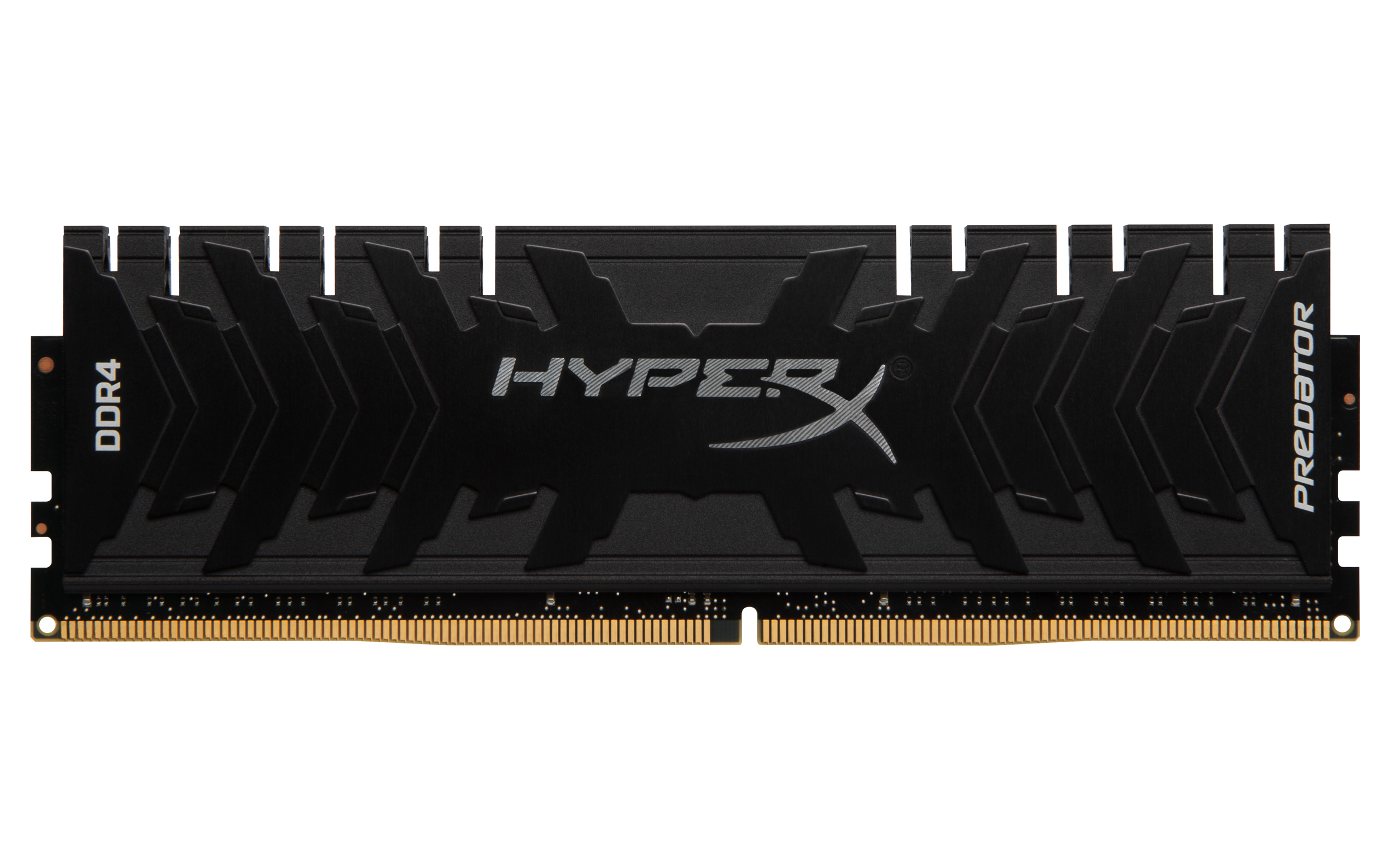
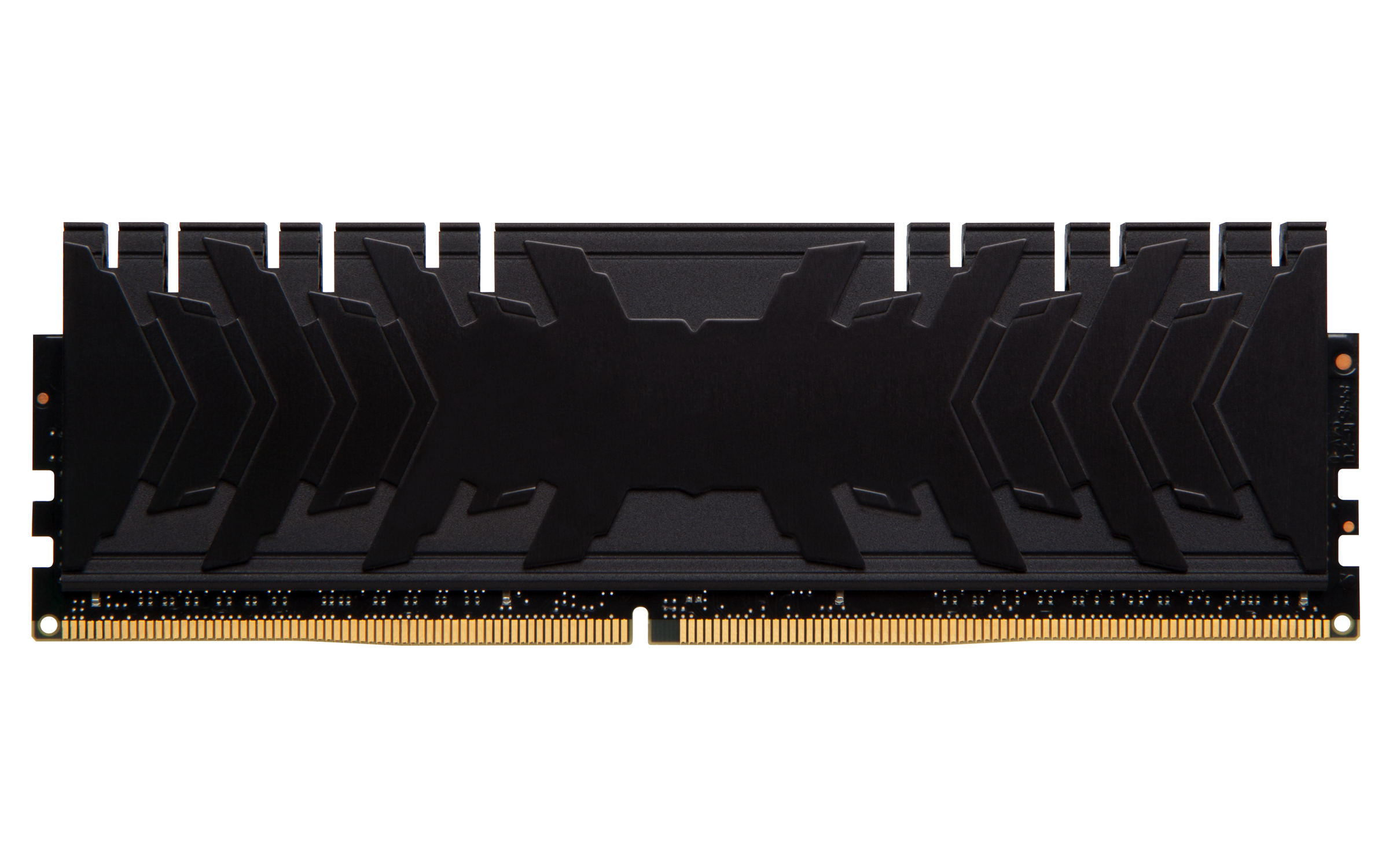
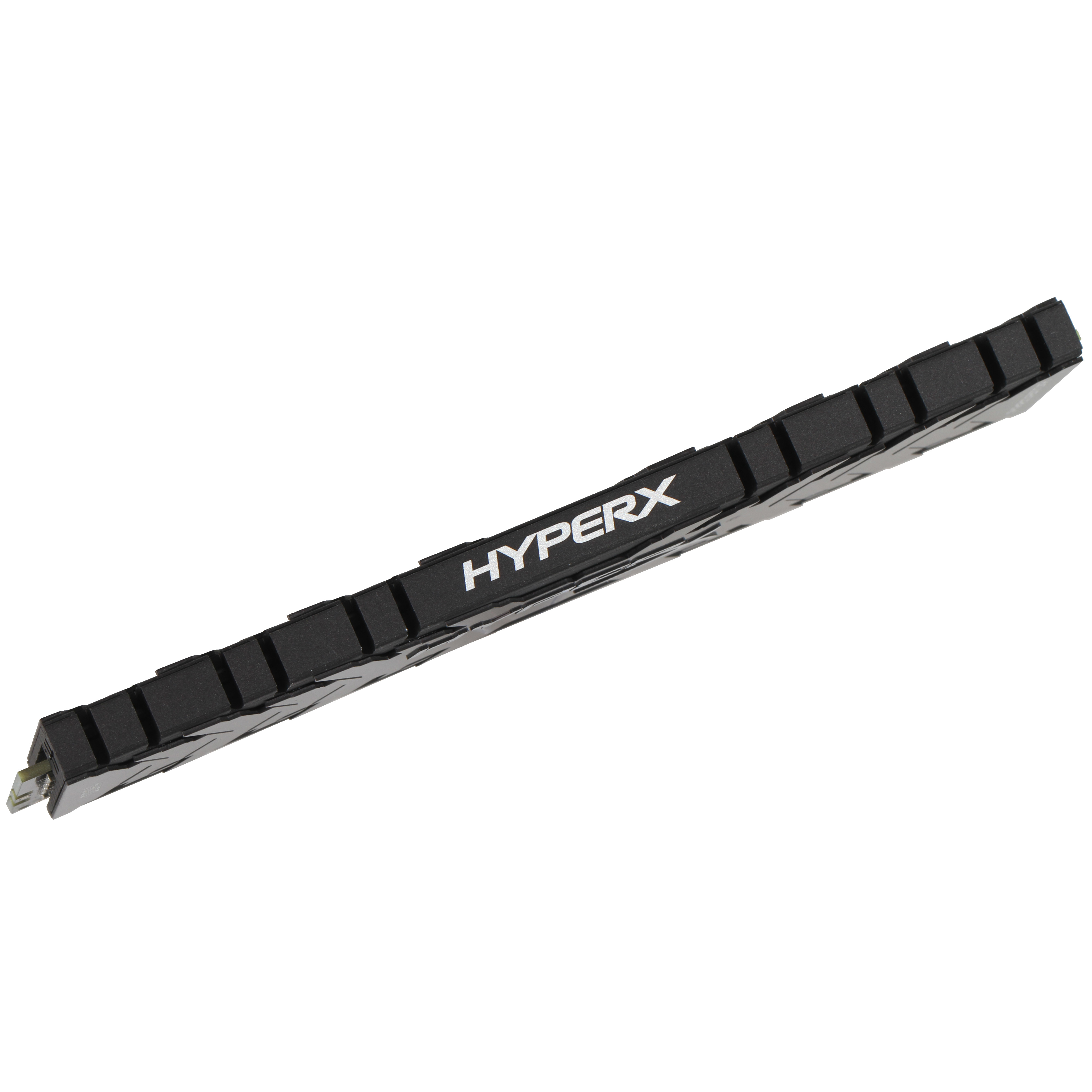
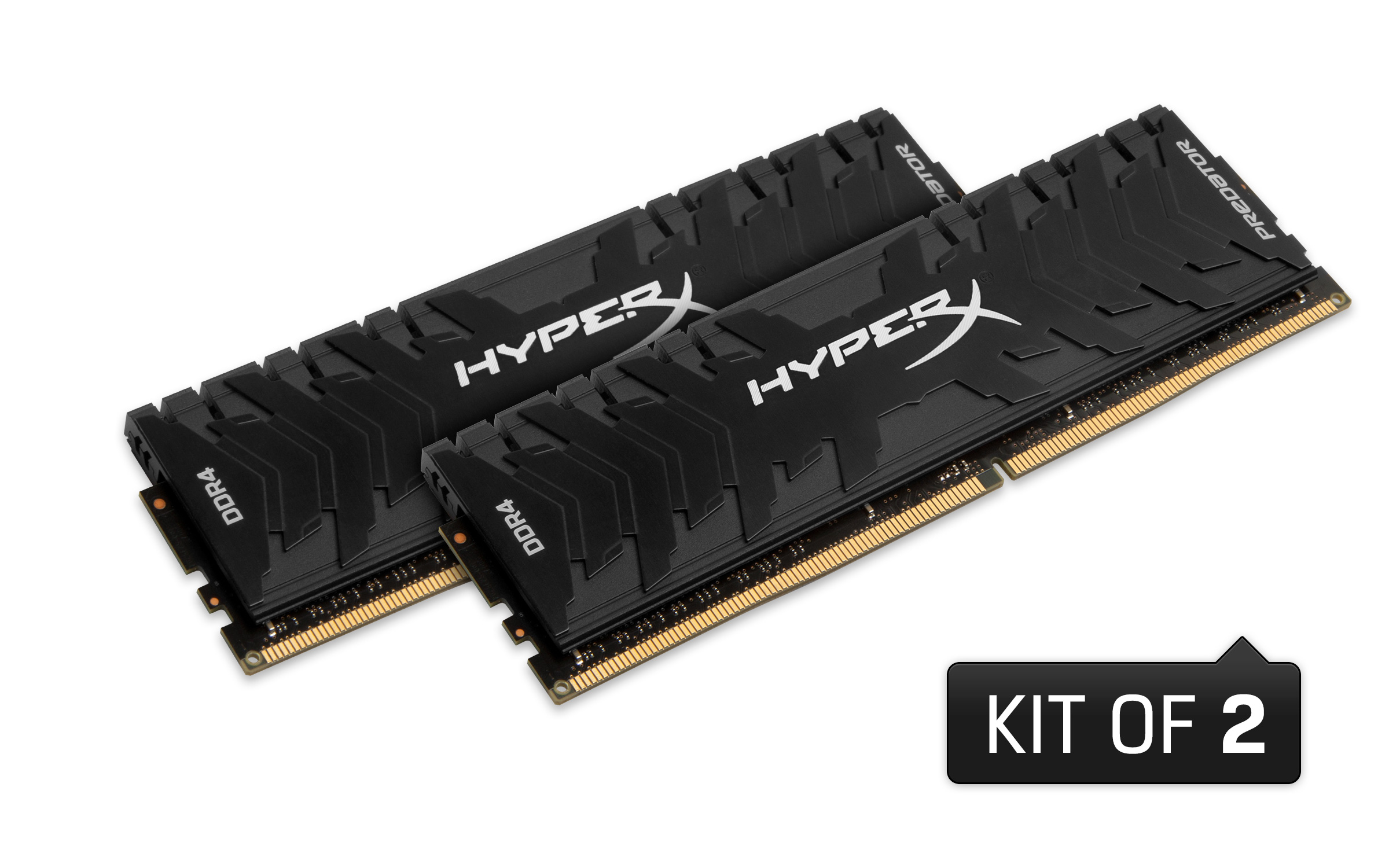
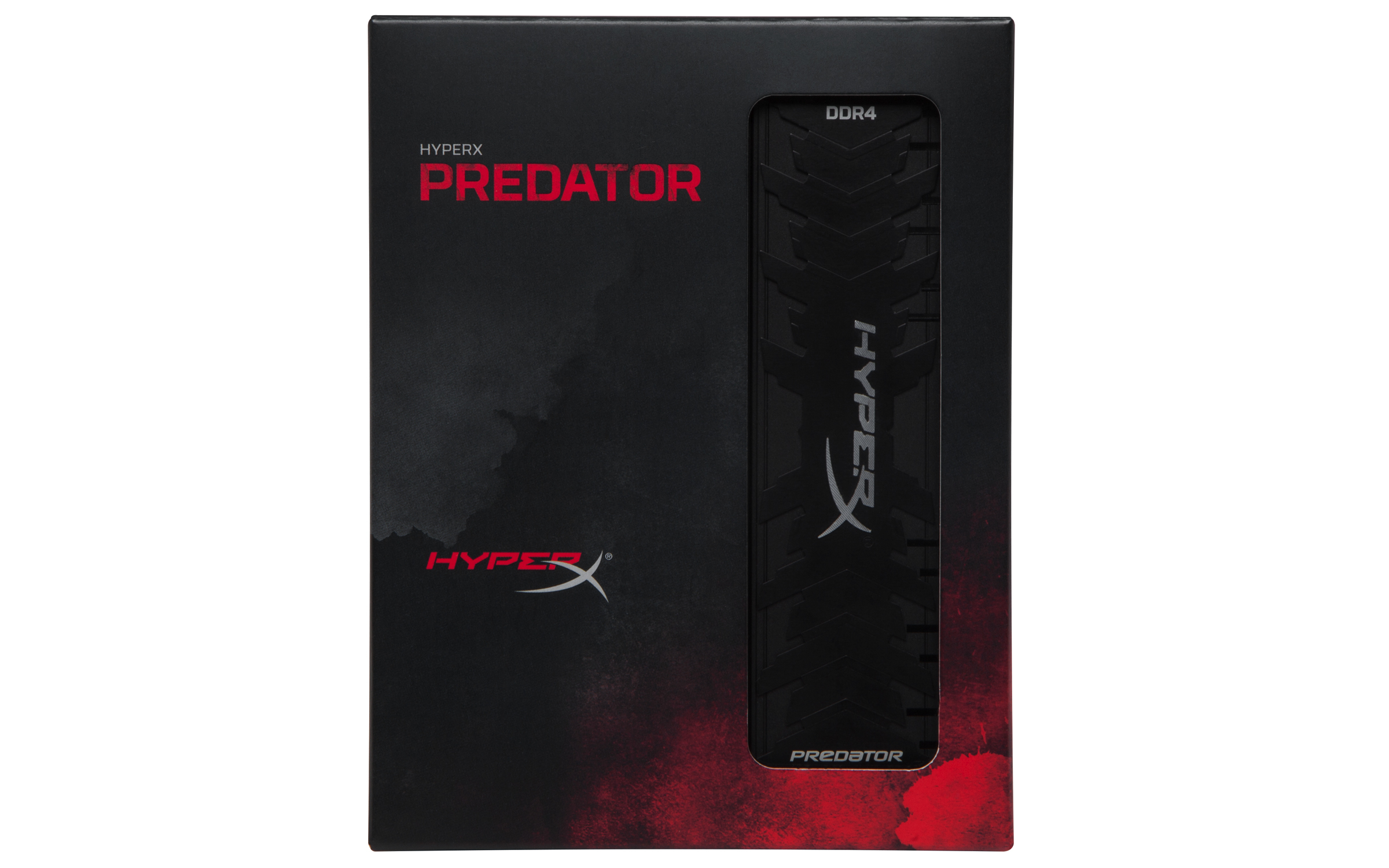
HyperX Predator DDR4 is one of those “nice to have” upgrades that mostly pays off if you’re building a gaming PC where stability under load and decent speeds actually matter. At £84.62 ex-VAT for 16GB (2x8), it’s not a bad deal *if* your system supports DDR4 and you want something that’ll run cleanly without fuss. In a B2B context, that translates well to machines used for heavier multitasking—virtualisation labs, moderate VDI workloads, CAD/engineering apps—especially where you’d otherwise be tempted by cheaper kits that can be pickier.
That said, I wouldn’t recommend this for “just office work” or any environment where you need maximum predictability above everything else. The Predator line is aimed at performance/overclocking friendliness, but most corporate systems won’t benefit from that, and 2x8 is starting to feel a bit small for modern workloads (many teams now want 32GB as the sane baseline). If you’re spec’ing new machines, you’ll usually get better long-term value by choosing a higher-capacity kit—even if it costs a bit more—or by matching whatever RAM your platform is known to run best with.
Qnap
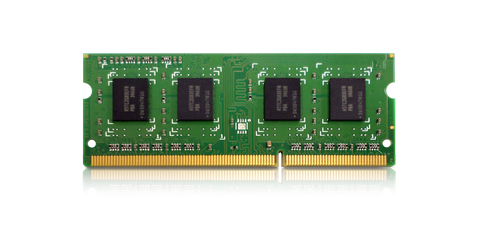
QNAP - K0 version - DDR4 - module - 8 GB - SO-DIMM 260-pin - 3200 MHz / PC4-25600

Kingston
Kingston - DDR5 - module - 48 GB - SO-DIMM 262-pin - 5600 MHz / PC5-44800 - CL46 - 1.1 V - unbuffered - non-ECC
Kingston
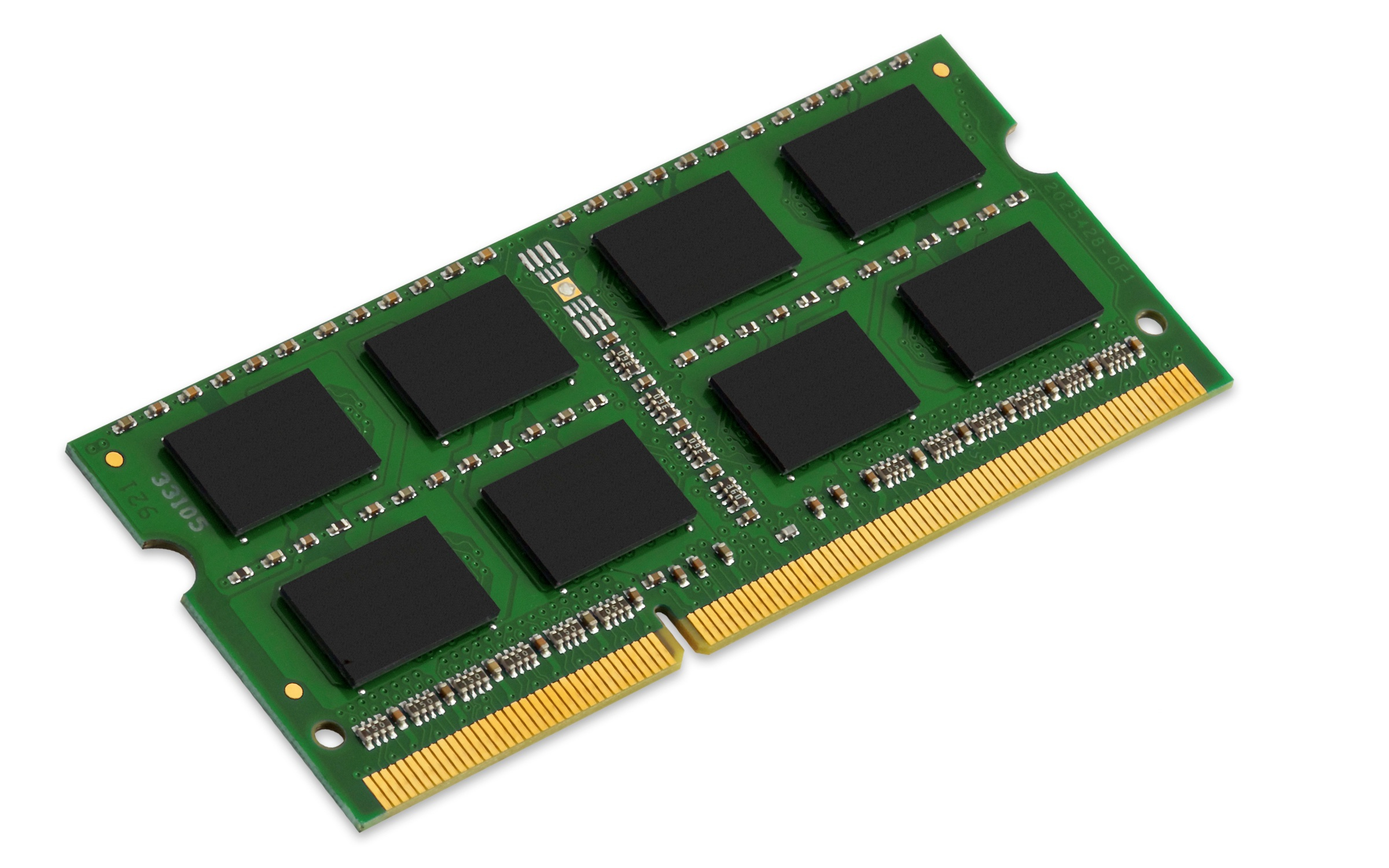
Kingston - DDR3L - module - 4 GB - SO-DIMM 204-pin - 1600 MHz / PC3L-12800 - CL11 - 1.35 V - unbuffered - non-ECC
Kingston
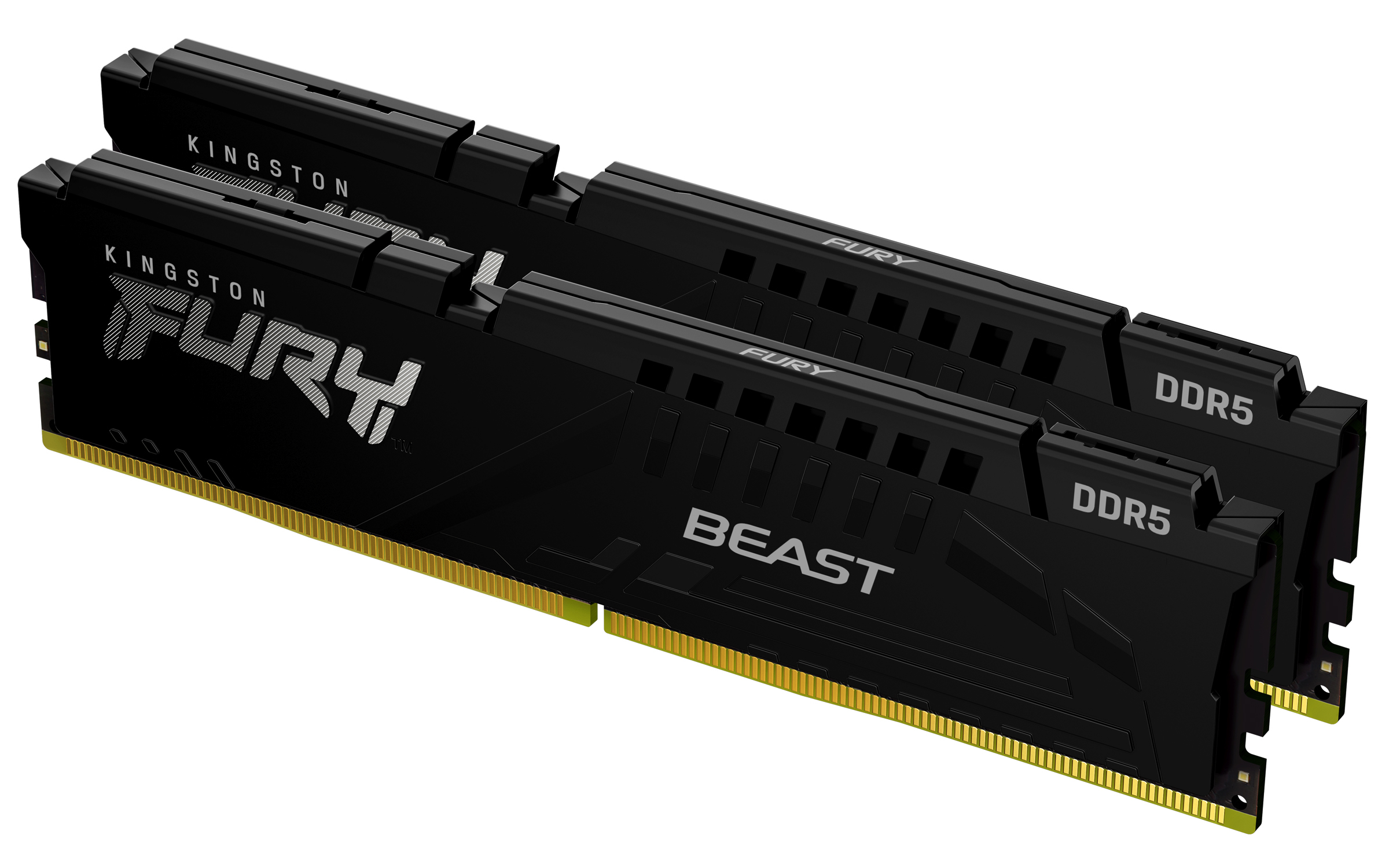
Kingston FURY Beast - DDR5 - kit - 16 GB: 2 x 8 GB - DIMM 288-pin - 5600 MHz / PC5-44800 - CL40 - 1.25 V - unbuffered - on-die ECC