- Network Admin
Network Redundancy: How to Prevent Single Points of Failure
17 Jul, 2025
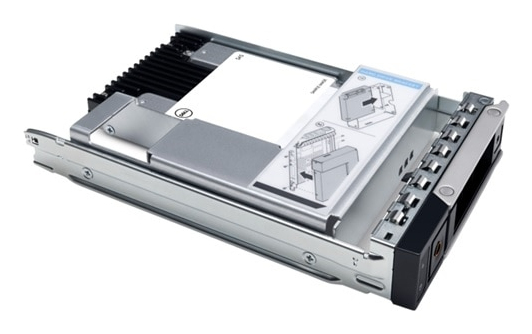
£1390.52 inc. VAT
AI-generated summary
If you’re paying **£1,158.77 ex-VAT for a 480GB 2.5" SATA SSD**, I’d be sceptical. That’s the kind of price you’d expect from higher-end capacities or enterprise-grade drives in a very specific environment—not a mainstream SATA SSD. In day-to-day use, this class of drive will feel “solid” and responsive, but it won’t be magic, and the money-to-performance ratio likely isn’t where you want it unless Dell bundles it into a server lifecycle deal or you’re replacing like-for-like to stay inside a support contract.
Who it *does* suit: teams running **Dell server infrastructure** where compatibility, firmware validation, and vendor support matter more than chasing the cheapest GB-per-pound. If you’re restoring service quickly, standardising parts, or replacing an existing Dell SATA SSD in an appliance/server that expects that ecosystem, it can make sense. Who should probably *avoid*: anyone looking for a straightforward upgrade for general servers, virtualisation hosts, or NAS-style workloads—especially if you can move to newer interfaces or better value SSDs. Spend time checking what you’re actually buying for performance: if this is just “capacity and replacement,” you may find cheaper options that deliver the same real outcome.
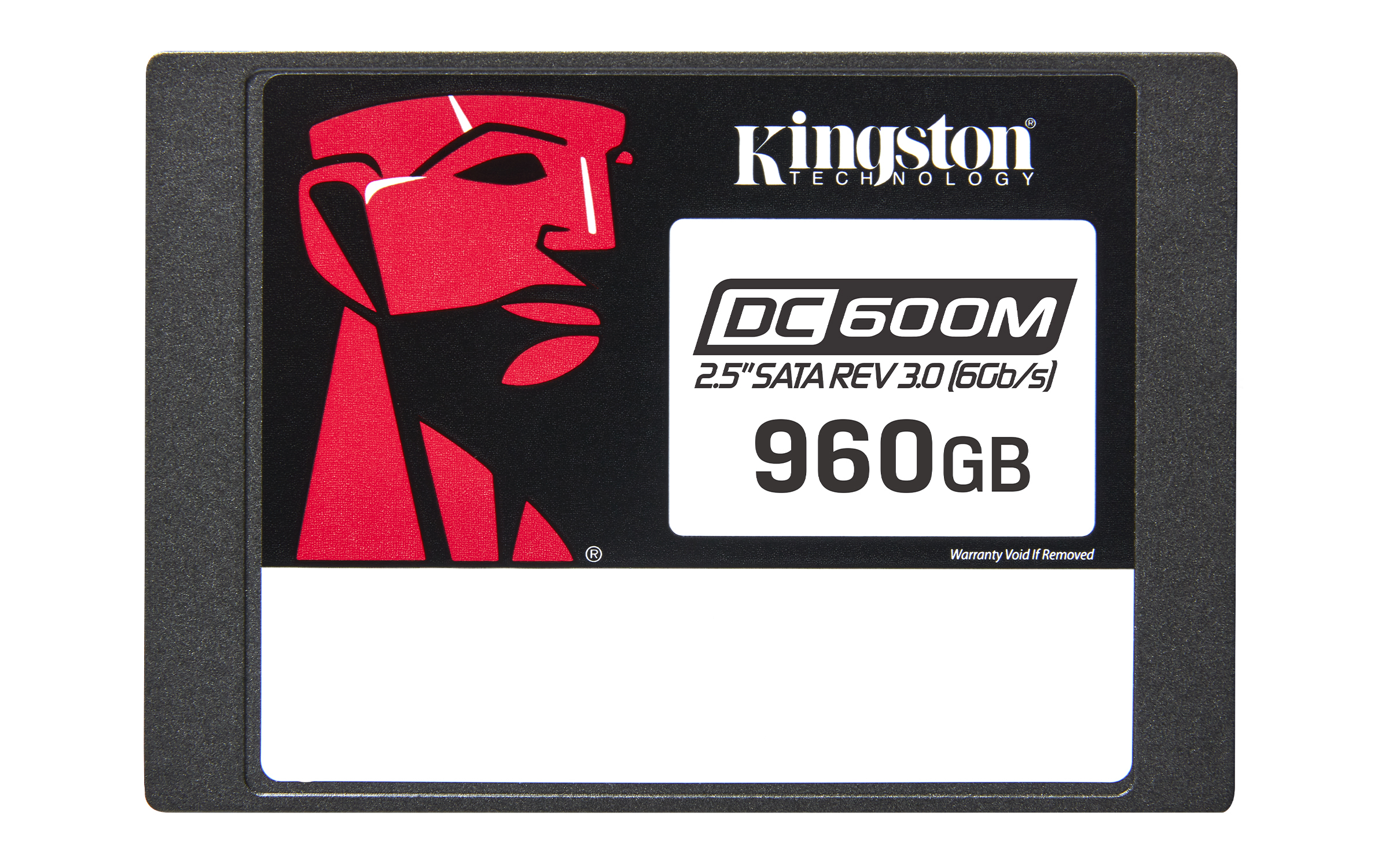
Kingston
Kingston DC600M - SSD - Mixed Use - 960 GB - internal - 2.5" - SATA 6Gb/s
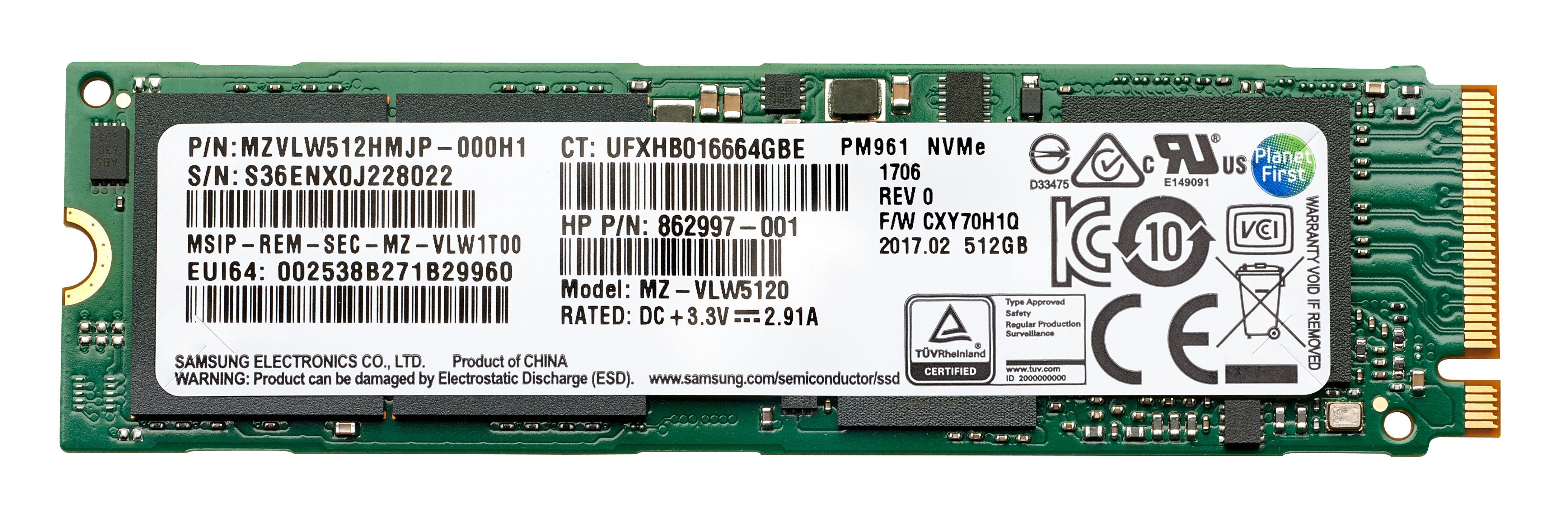
HP
HP - SSD - 1 TB - internal - M.2 2280 - PCIe 4.0 x4 (NVMe) - for HP Z1 G8, Z1 G9, Elite 600 G9, 800 G9, EliteOne 800 G8, Pro 260 G9, 400 G9, ProDesk 405 G8
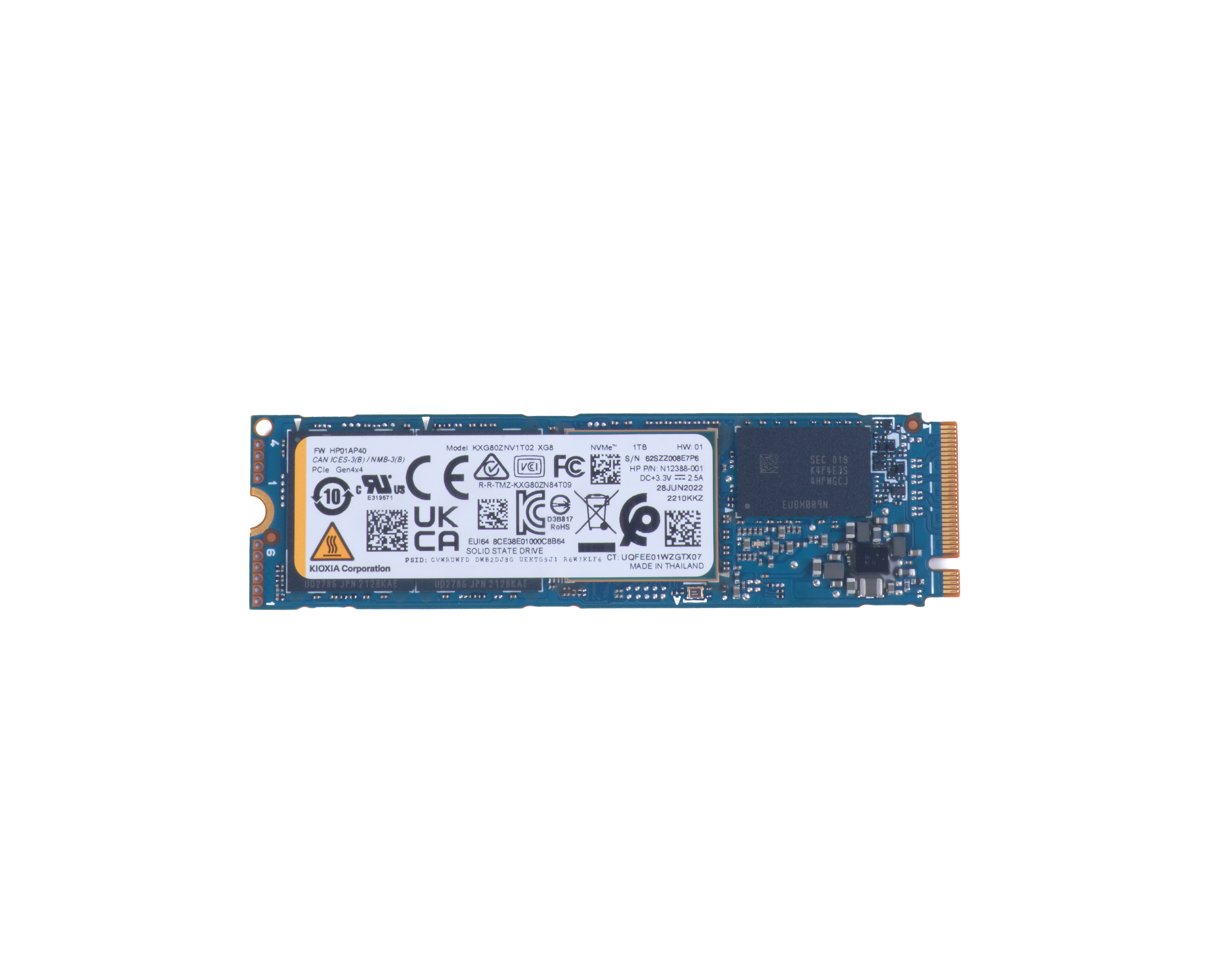
HP
HP - SSD - 1 TB - internal - M.2 2280 - PCIe 4.0 x4
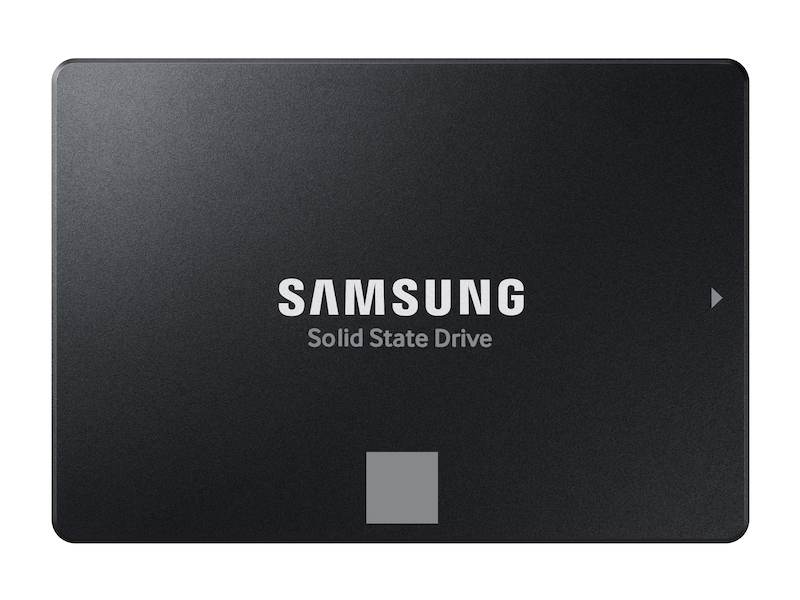
Samsung
Samsung 870 EVO MZ-77E1T0B - SSD - encrypted - 1 TB - internal - 2.5" - SATA 6Gb/s - buffer: 1 GB - 256-bit AES - TCG Opal Encryption