- Cloud Backup
Immutable Backups: The Last Line of Defence Against Ransomware
22 Jul, 2025
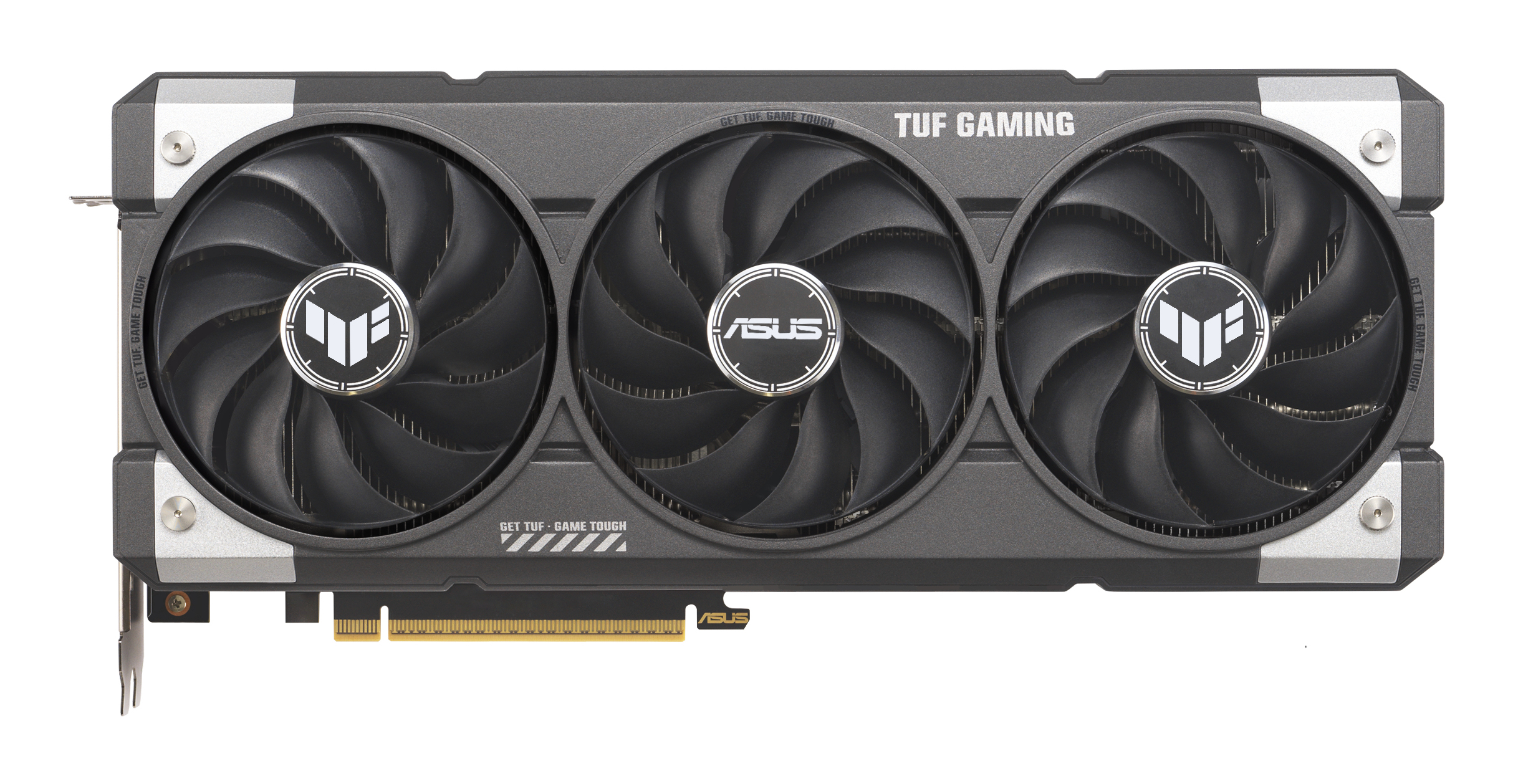
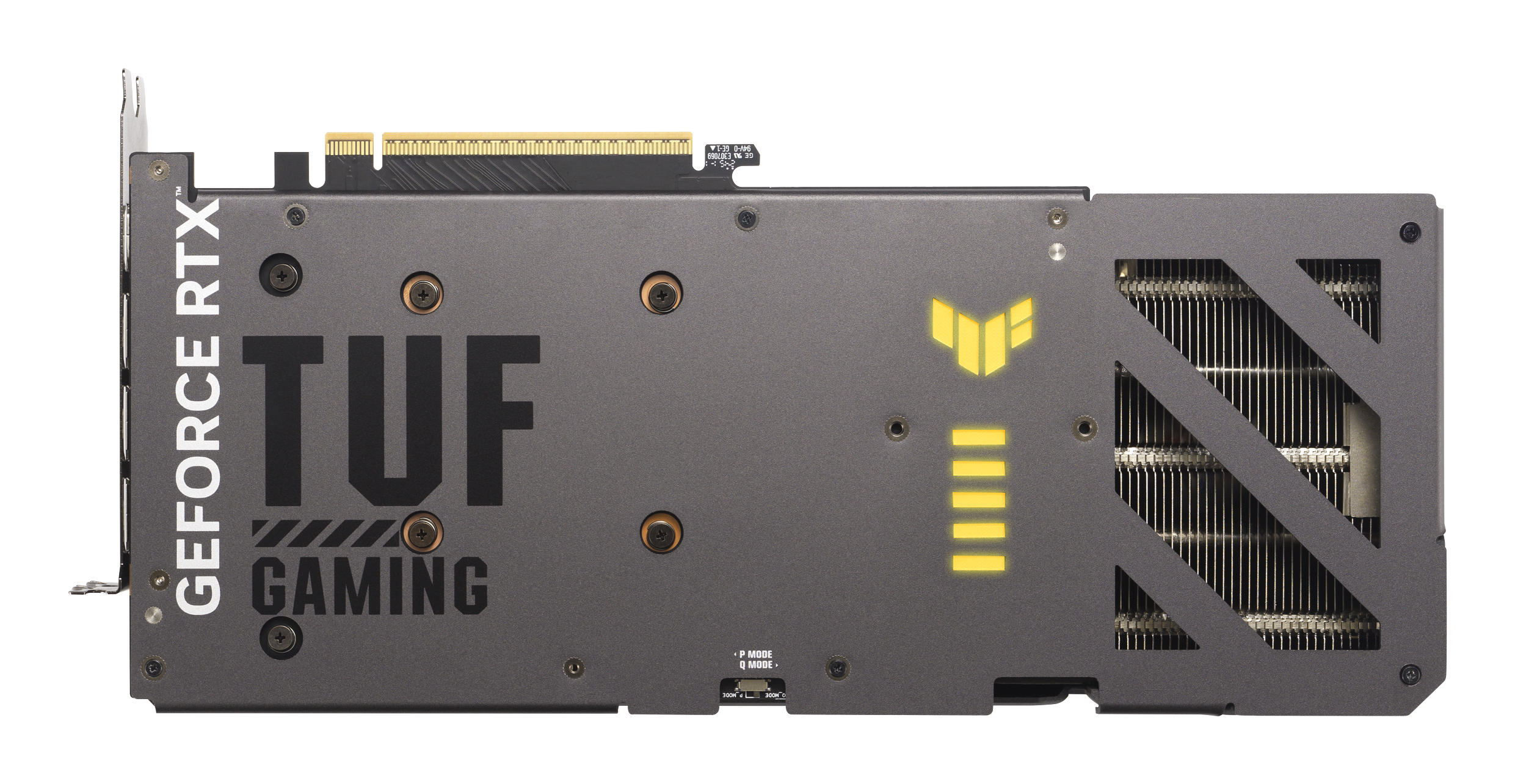
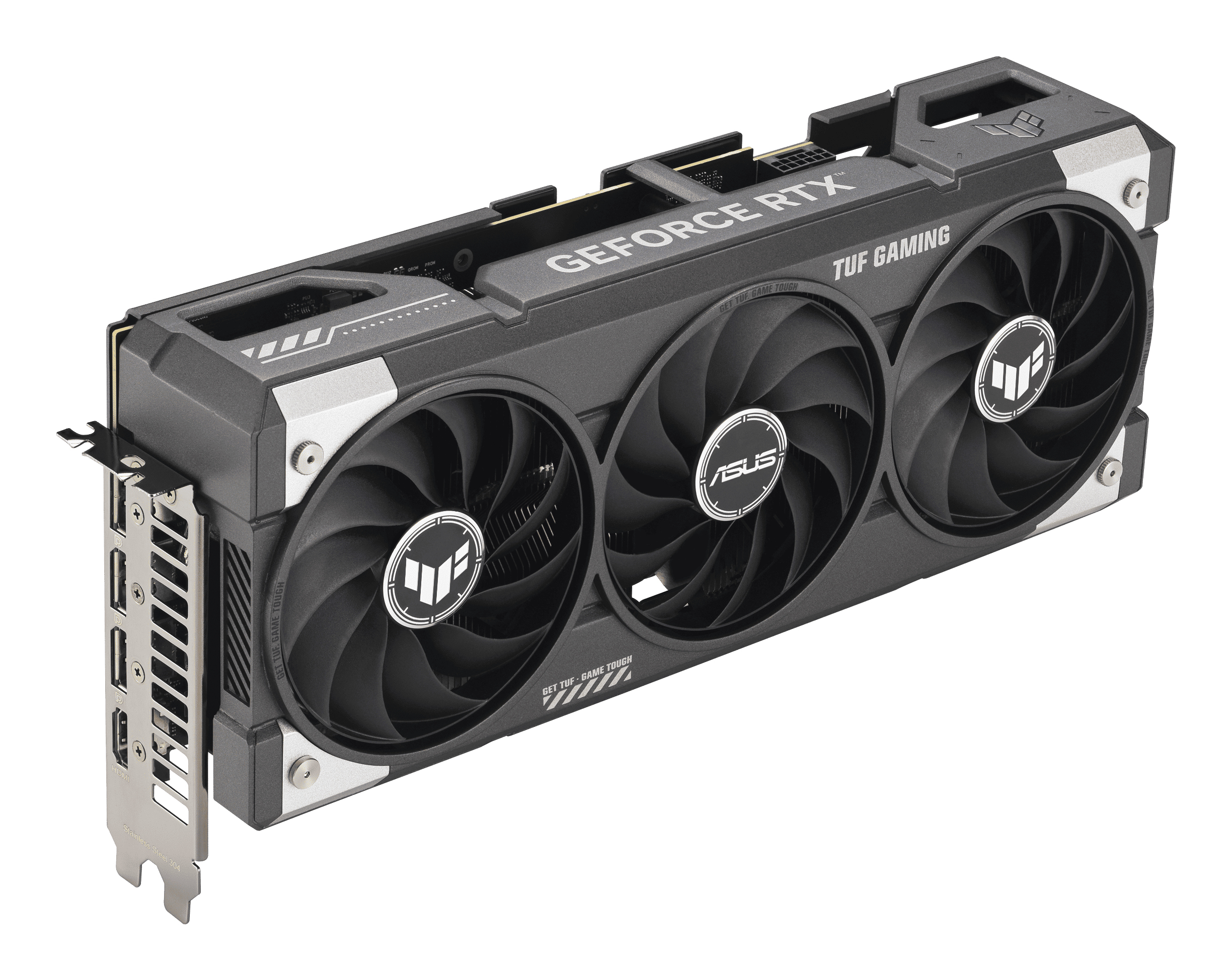
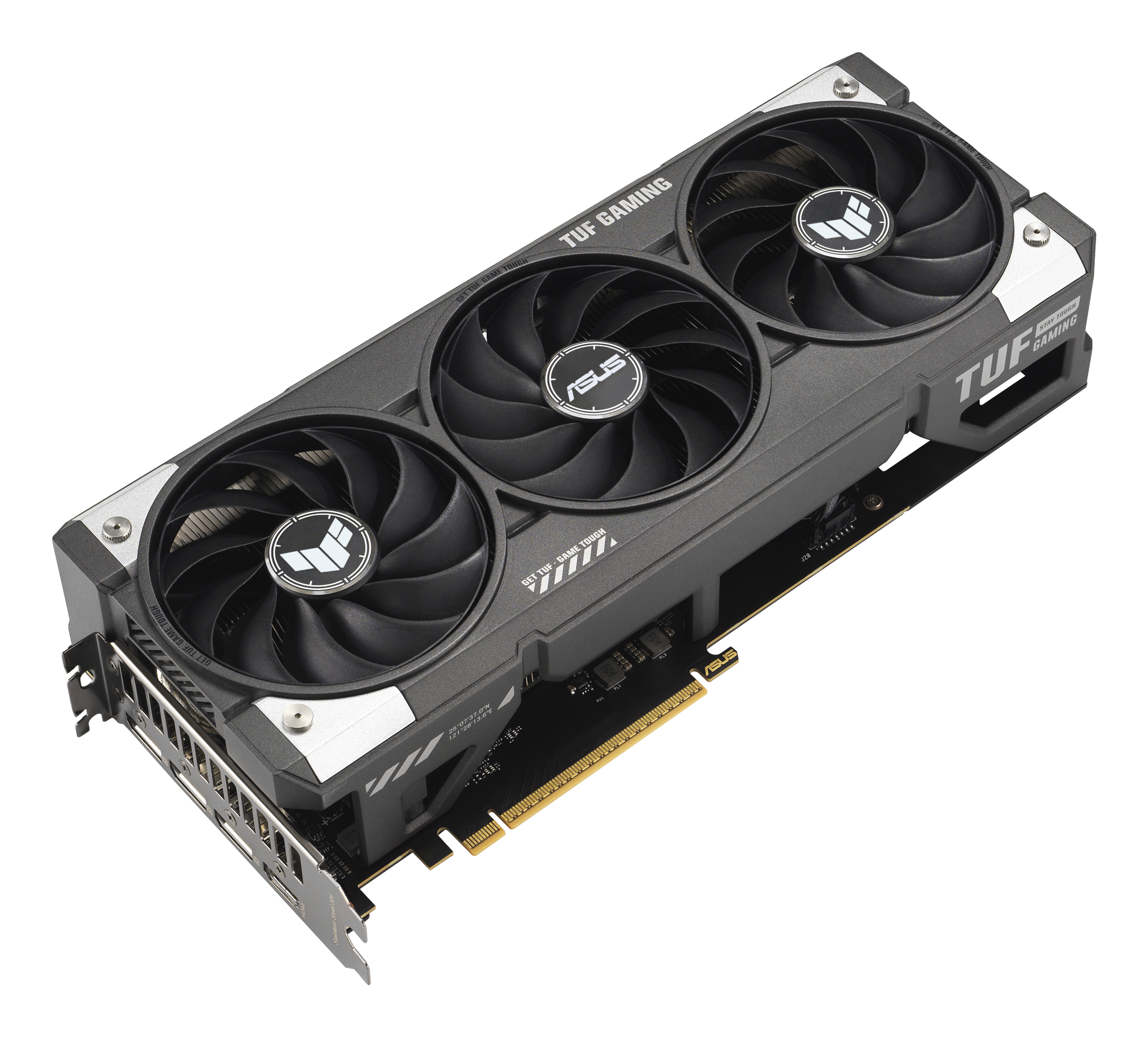
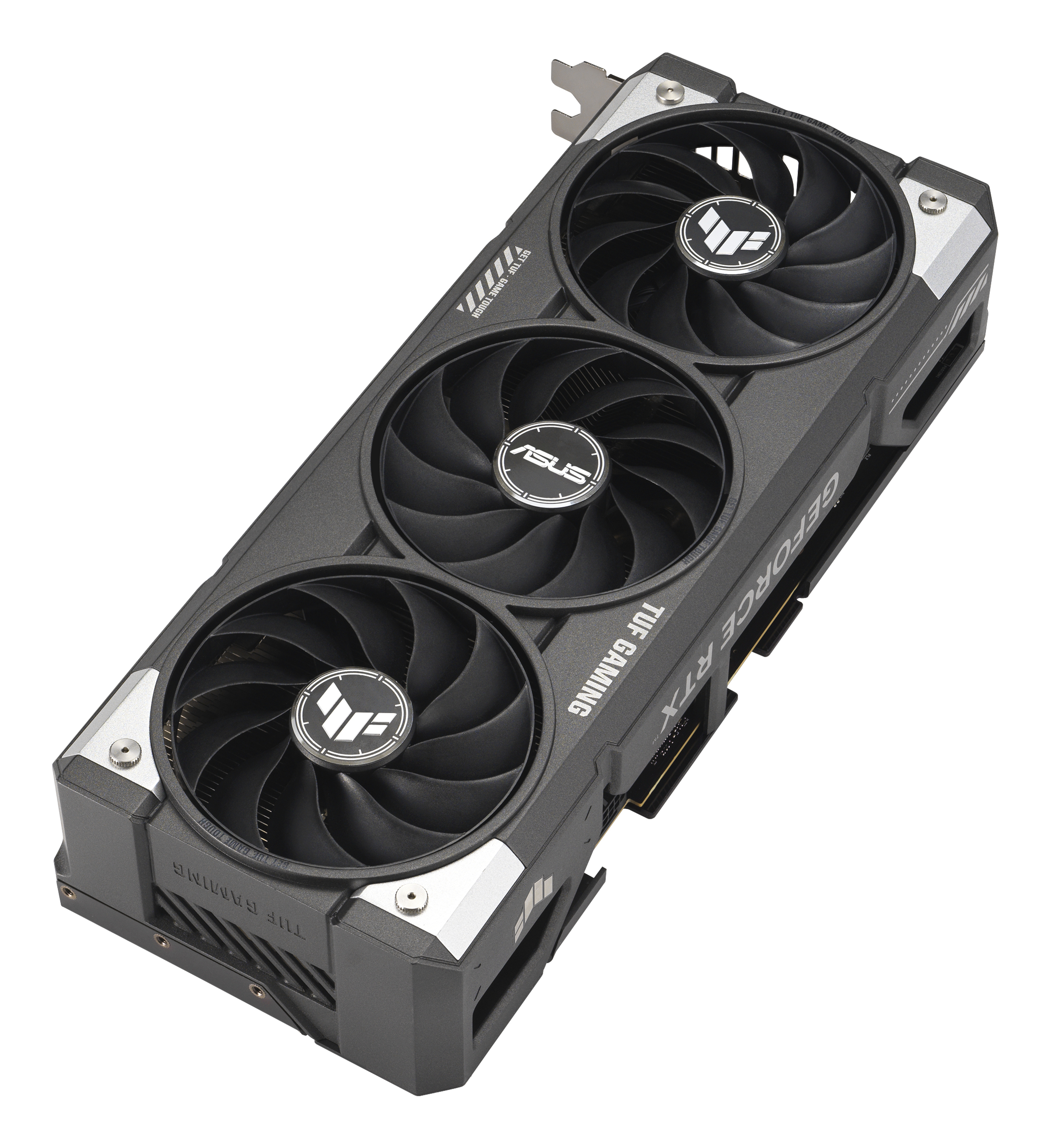
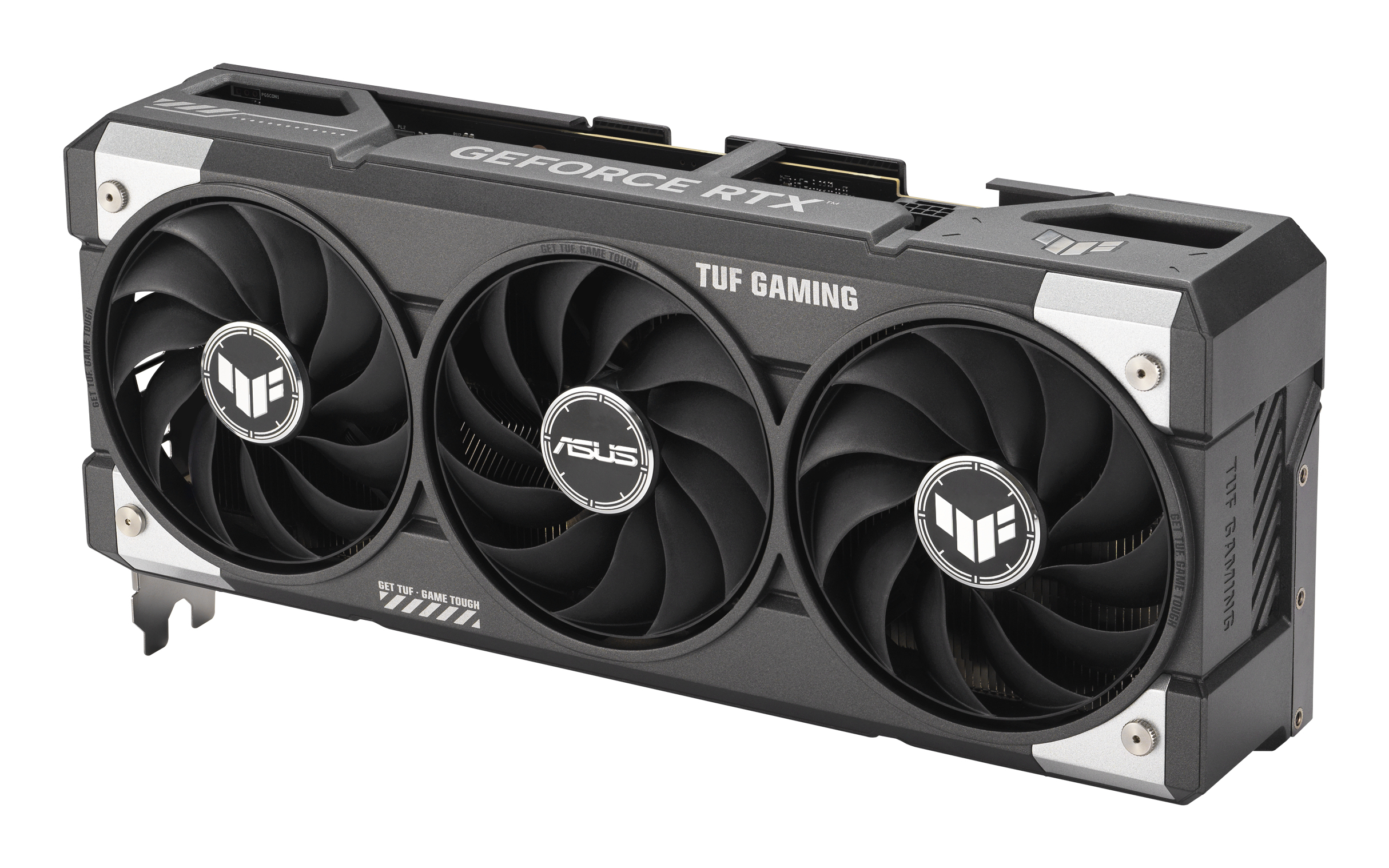
£572.95 inc. VAT
AI-generated summary
At £480.20 ex-VAT, an “RTX 5060 Ti 8GB” has to be *very* compelling in day-to-day workloads to make sense, and my honest take is that this card is a bit of a hard sell for most businesses. 8GB VRAM is the tight point: for workstation graphics, multiple monitors, heavier AI/ML tinkering, or any project that likes to cache big textures, you’ll feel that pinch sooner than you would with higher-memory options. If you’re mainly doing standard graphics work, office graphics acceleration, or light-to-mid gaming/test environments, it’ll run fine—but it’s not the kind of purchase I’d call “future-proof”.
Who should buy it? Teams that need an NVIDIA-based GPU right now for gaming PCs, quick graphics pipelines, or cost-controlled rigs where 8GB is known to be enough (e.g., typical 1080p/entry 1440p usage, or tightly scoped dev/test). Who should probably *not*? Anyone buying on behalf of a longer lifecycle (say 3–5 years), anyone expecting to scale up assets/models, or anyone doing GPU-heavy creative/engineering work where VRAM headroom actually reduces bottlenecks. If you can get a better value card with more memory at a similar price—or you’re able to justify spending more for headroom—I’d lean that way.
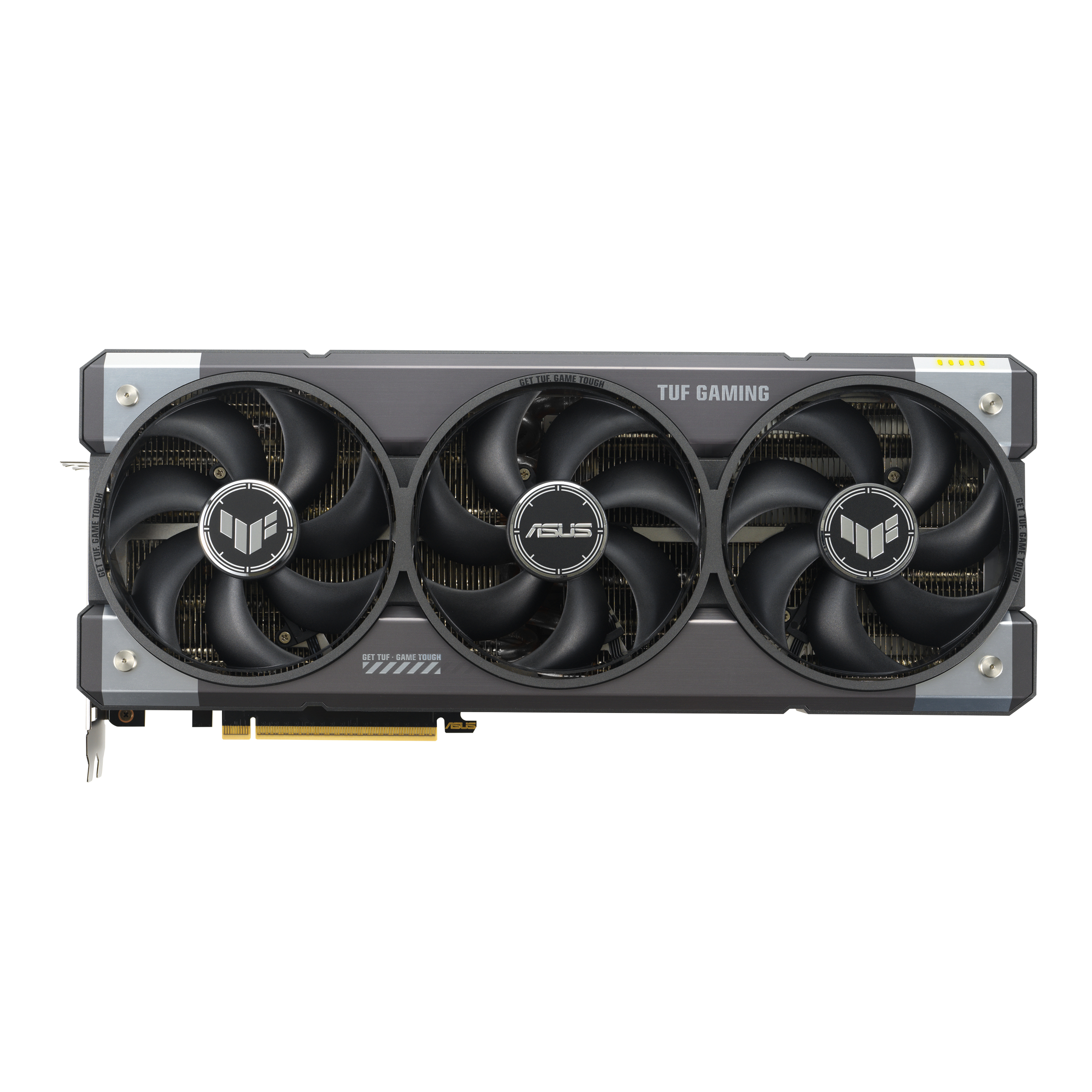
Asus
ASUS TUF Gaming GeForce RTX 5080 16GB - OC Edition - graphics card - GeForce RTX 5080 - 16 GB GDDR7 - PCI Express 5.0 - 2 x HDMI, 3 x DisplayPort
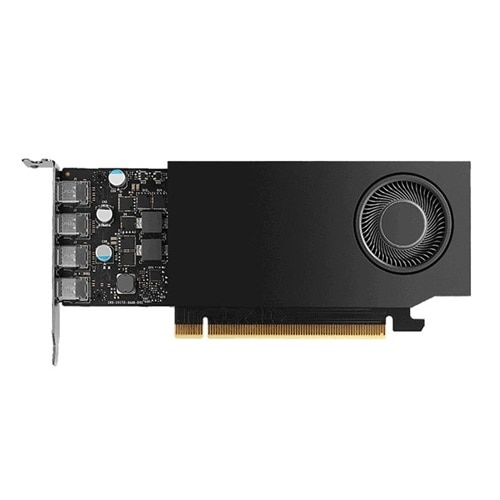
Dell
NVIDIA RTX A400 - Graphics card - RTX A400 - 4 GB GDDR6 - PCIe 4.0 x8 - 4 x Mini DisplayPort
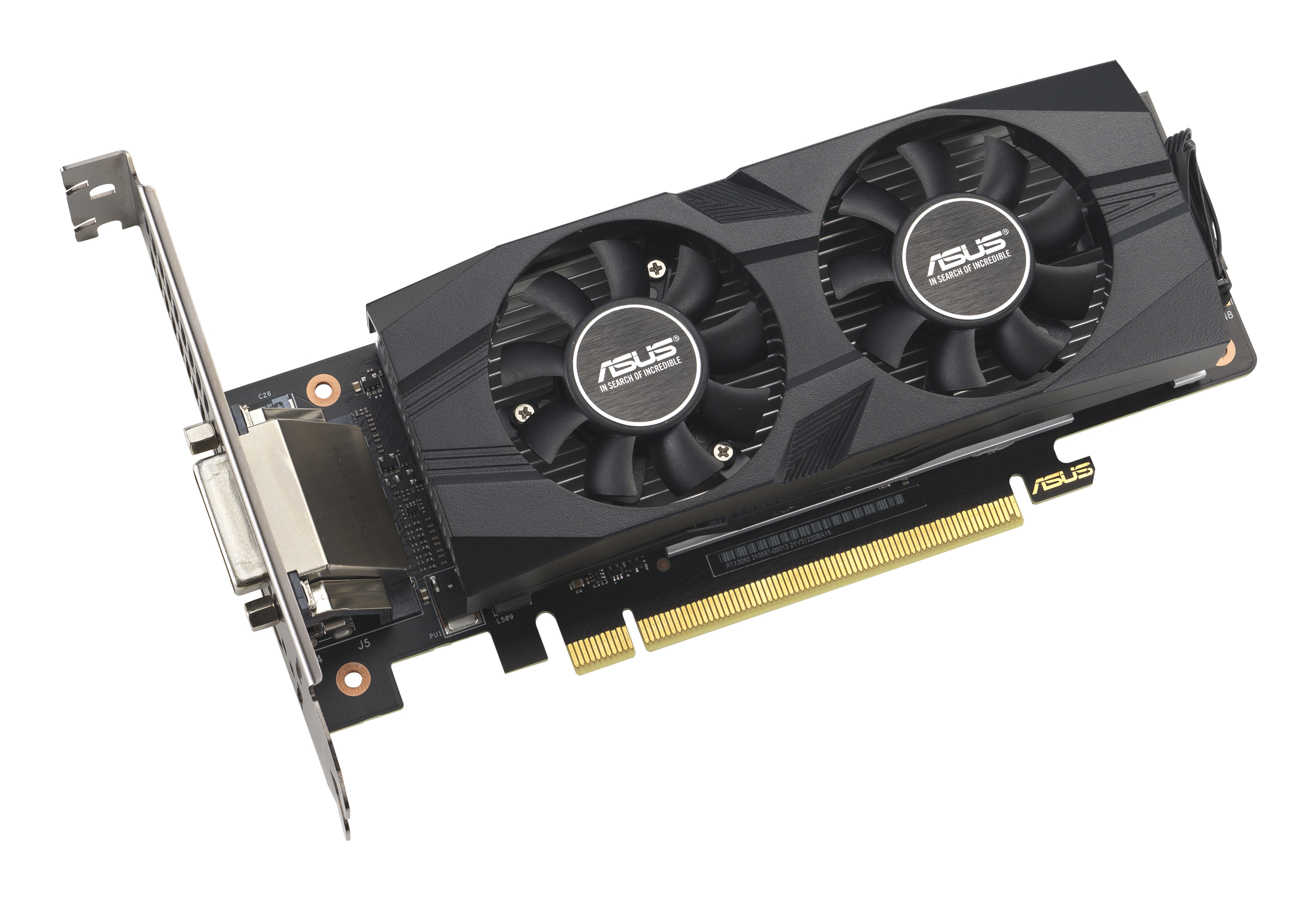
Asus
ASUS GeForce RTX 3050 LP BRK 6GB - OC Edition - graphics card - GF RTX 3050 - 6 GB GDDR6 - PCIe 4.0 - HDMI, DisplayPort, DVI
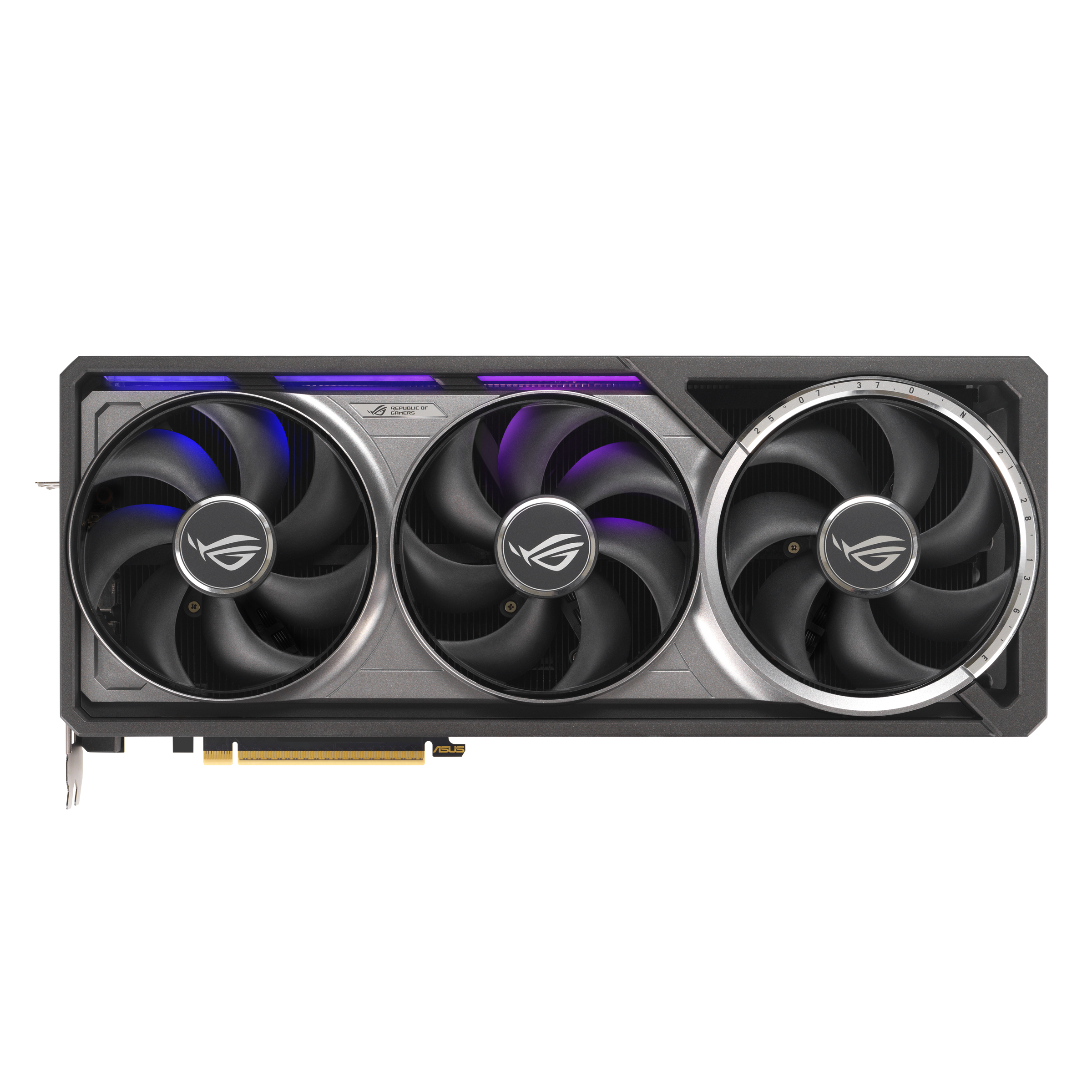
Asus
ASUS ROG Astral GeForce RTX 5090 32GB - Graphics card - GeForce RTX 5090 - 32 GB GDDR7 - PCI Express 5.0 - 2 x HDMI, 3 x DisplayPort - grey