- Cloud Networking
The Complete Guide to Meraki Wireless Health
6 Feb, 2026
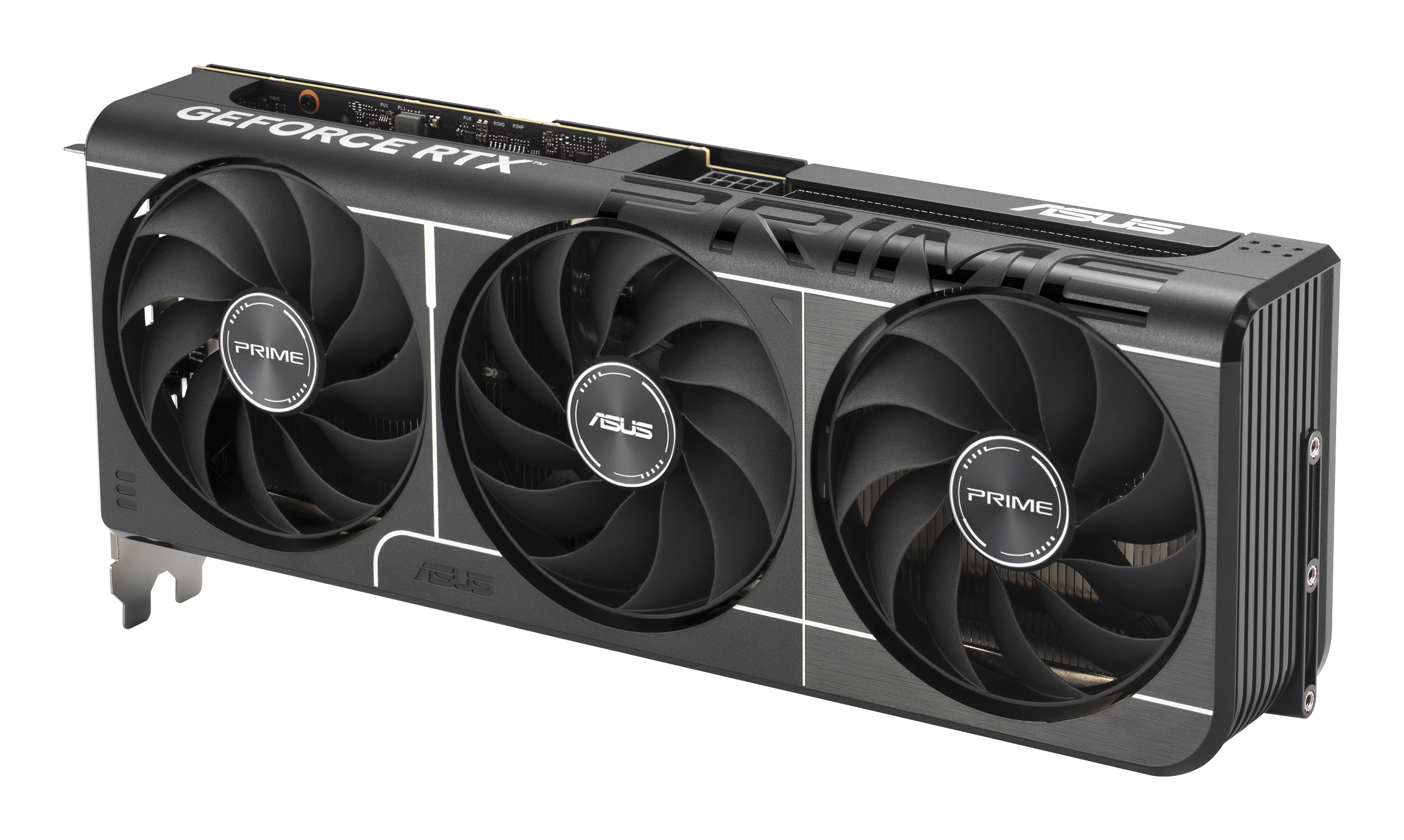
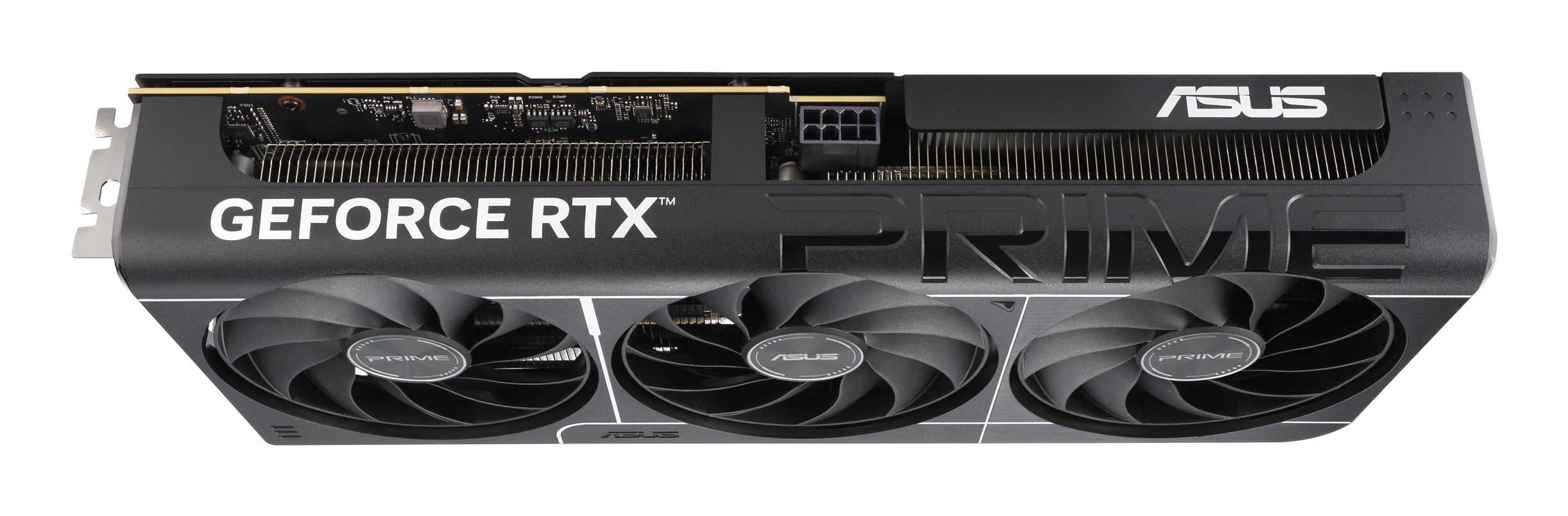
£532.01 inc. VAT
AI-generated summary
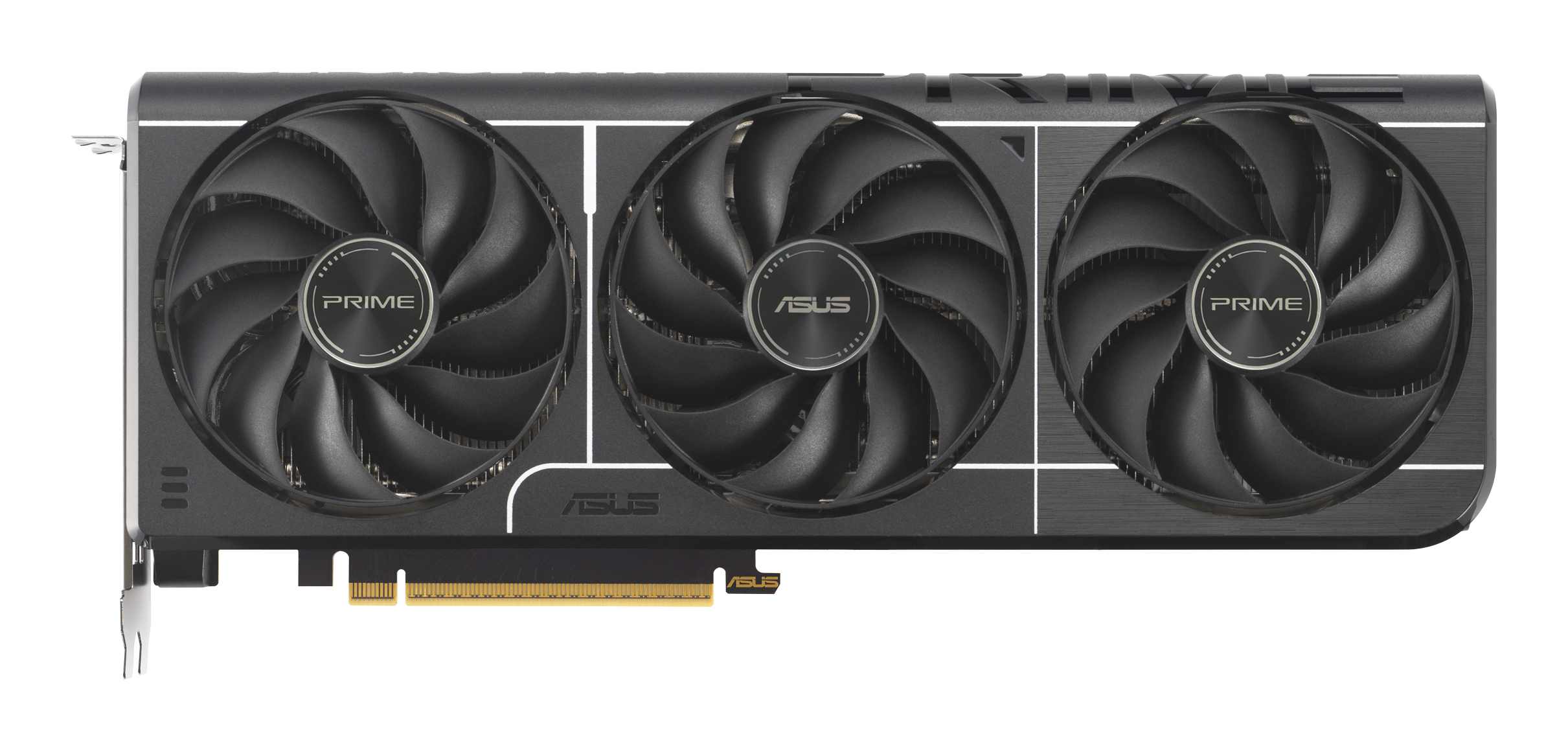
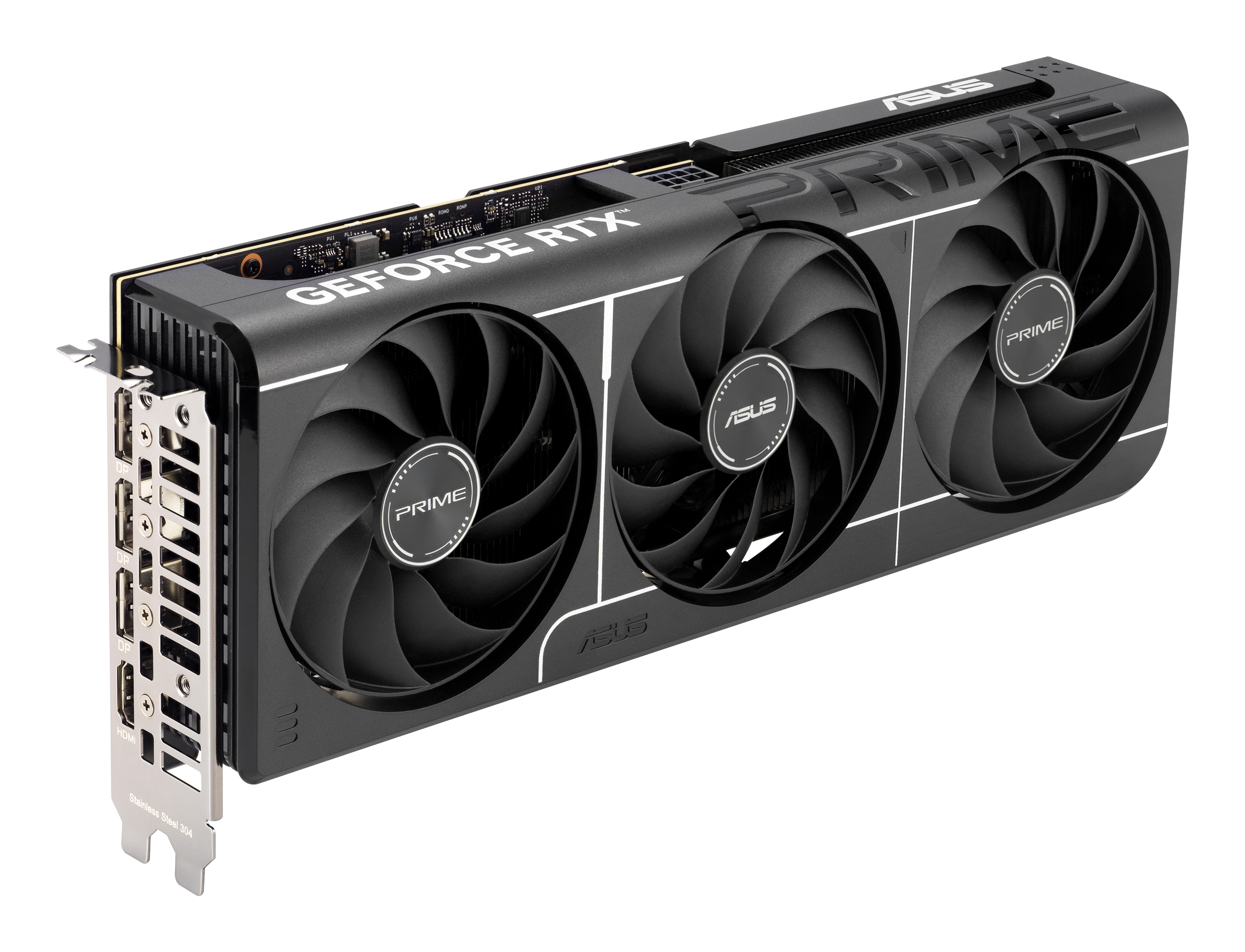
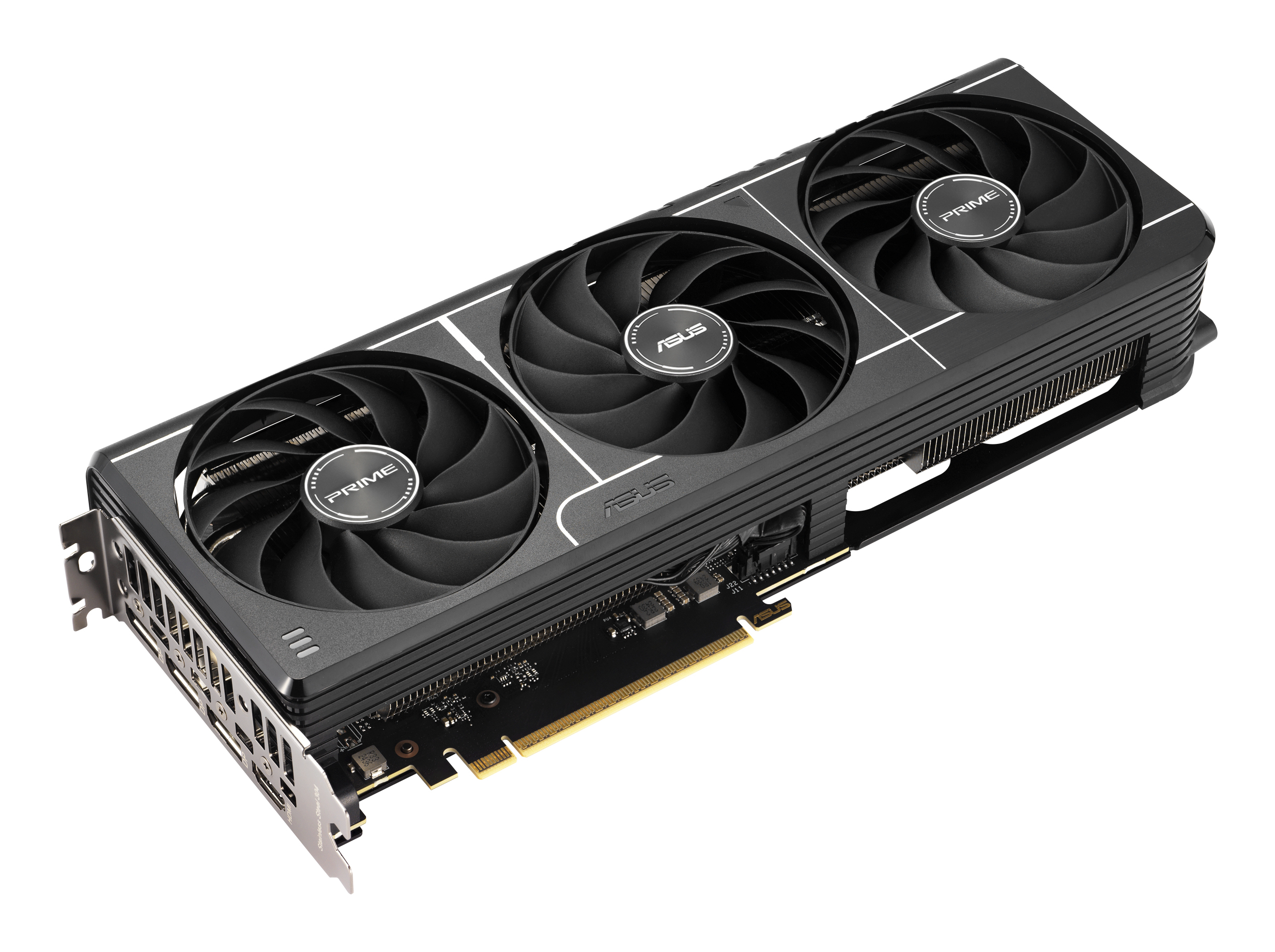
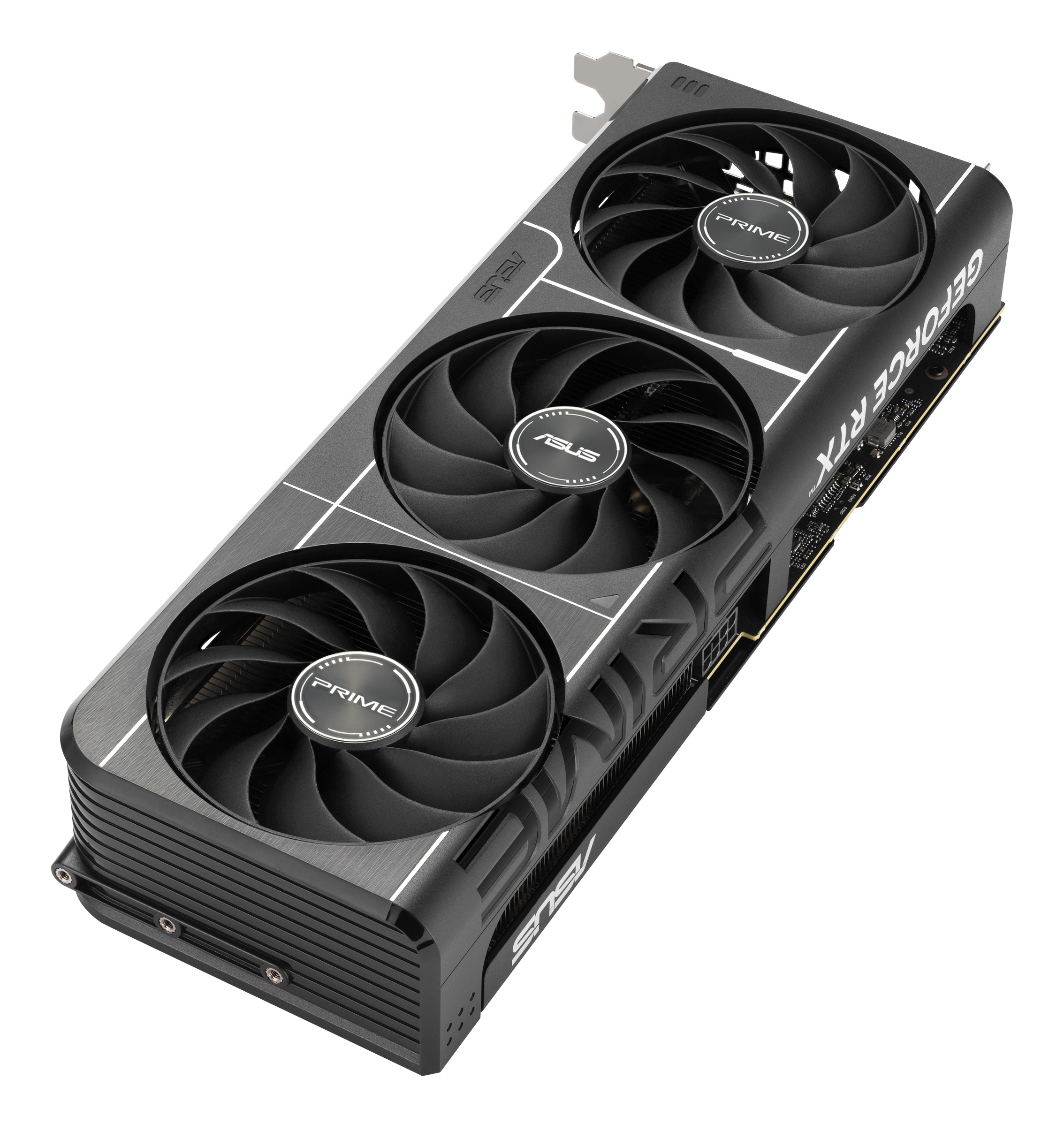
At £445.90 ex-VAT, the ASUS Prime RTX 5060 Ti 8GB is the kind of card that only really makes sense if you’ve got a very specific workload in mind—because in the current market, “£400–£500 for an 8GB card” needs to buy you more than just decent FPS. The 8GB limit can bite faster than people expect once you move beyond 1080p esports titles into heavier modern workloads (both games and pro-ish rendering/AI side tasks). If you’re provisioning systems for general office + light creation, you’ll probably be fine—but if you’re building for modern 3D, texture-heavy apps, or anything that streams lots of assets, you’ll feel the pinch sooner than you’d like.
Who should buy it? Teams doing office-adjacent graphics—developer work with occasional GPU acceleration, light content work, or predictable 1080p/entry 1440p gaming validation—where cost control matters and the use is known. Who should skip it? Anyone buying GPUs for “future-proofing”, larger texture pipelines, VRAM-hungry creative work, or mixed workloads where you can’t guarantee behaviour day-to-day. If you can get a better value option with more usable headroom (usually more VRAM) near that price band, that’s the smarter business buy.
Asus
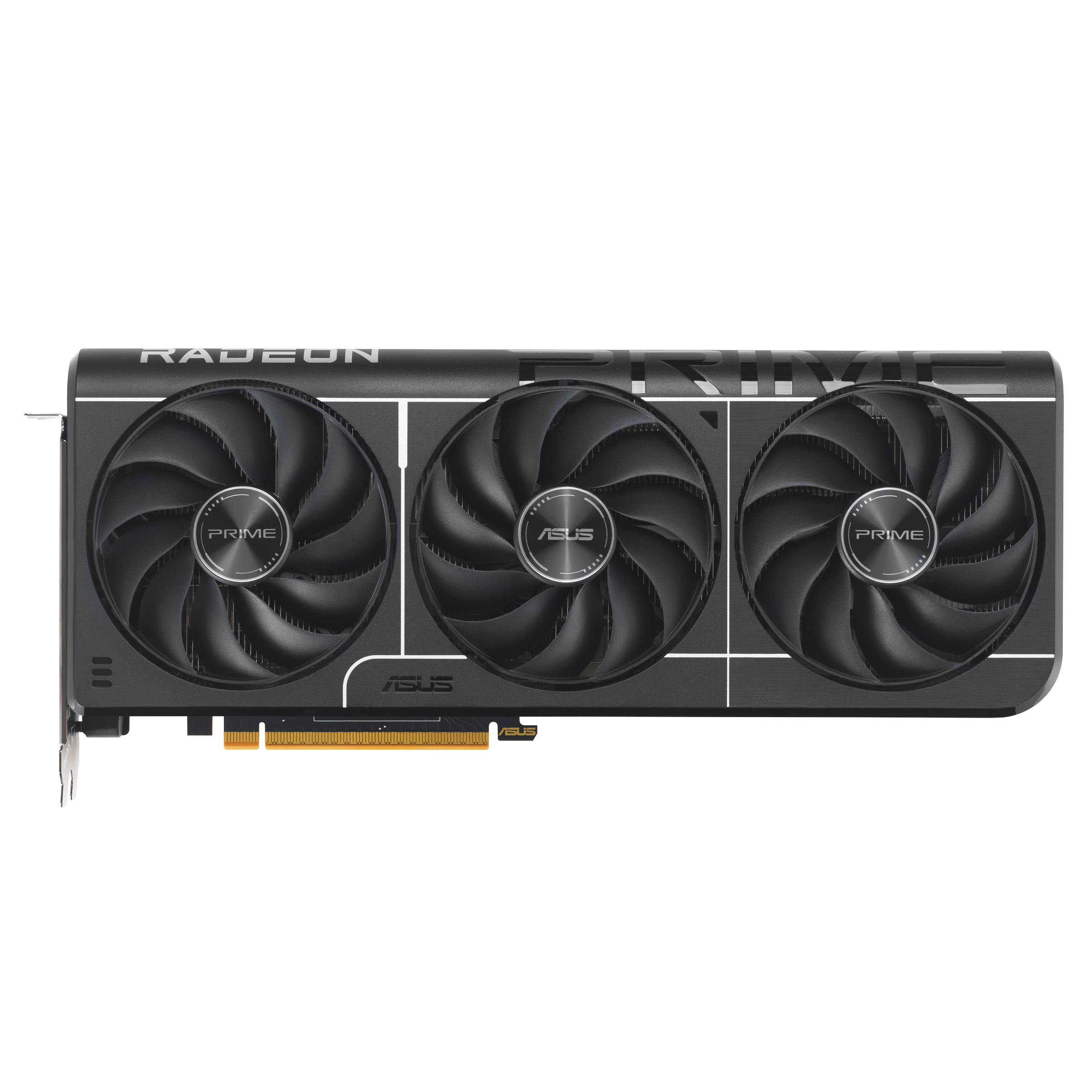
ASUS PRIME EVO - OC Edition - graphics card - Radeon RX 9070 - 16 GB GDDR6 - PCI Express 5.0 - 3 x DisplayPort, HDMI
Asus
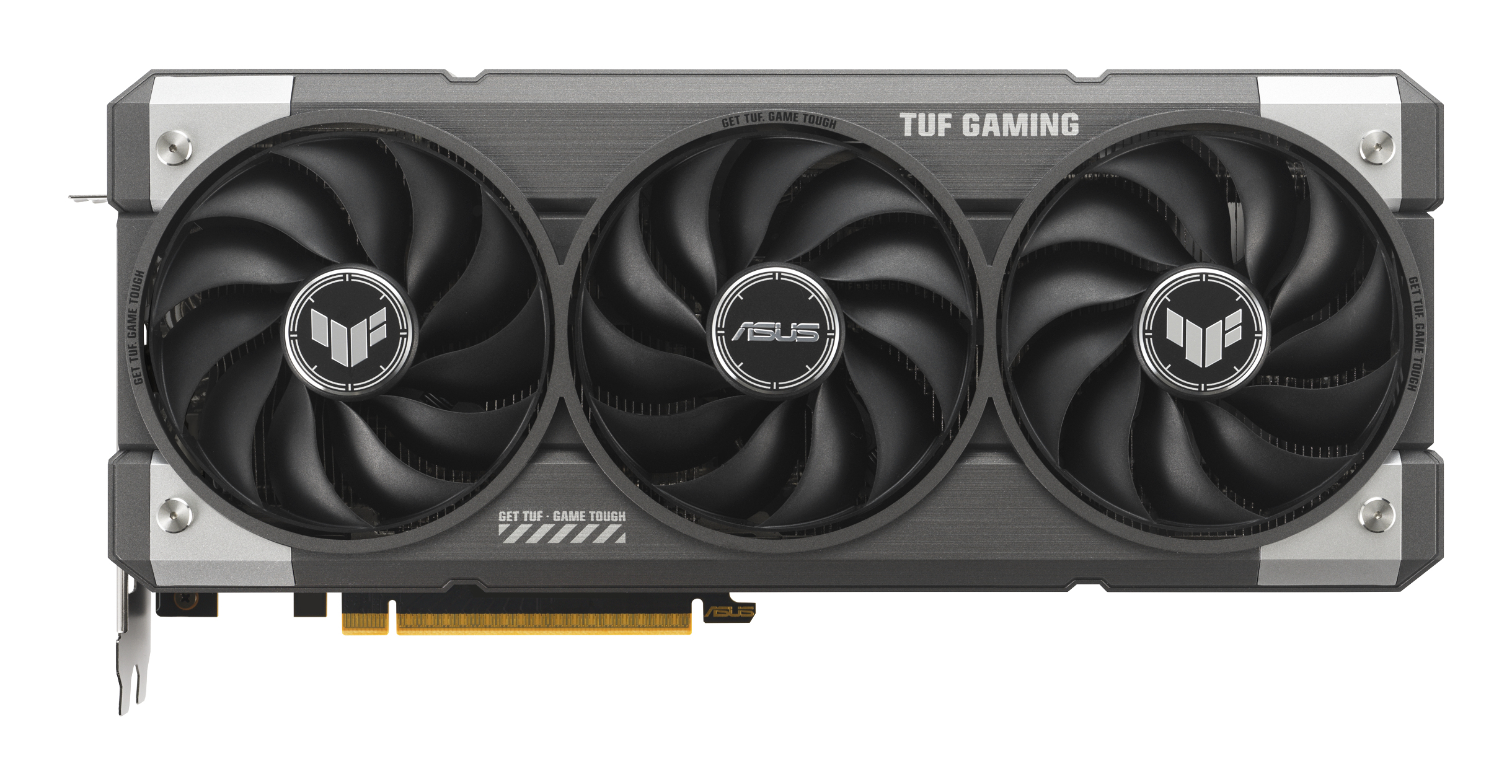
ASUS TUF Gaming GeForce RTX 5060 OC 8GB - OC Edition - graphics card - GeForce RTX 5060 - 8 GB GDDR7 - PCI Express 5.0 - 3 x DisplayPort, HDMI
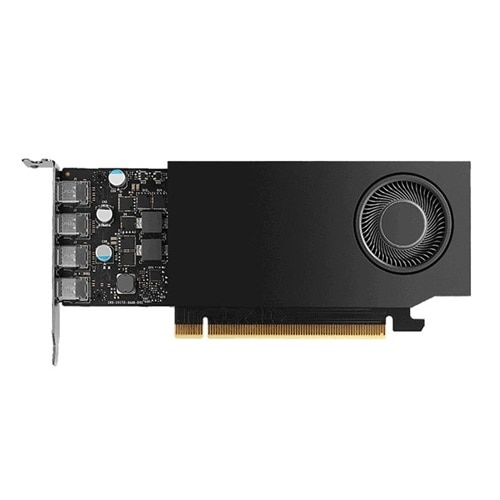
Dell
NVIDIA RTX A400 - Graphics card - RTX A400 - 4 GB GDDR6 - PCIe 4.0 x8 - 4 x Mini DisplayPort
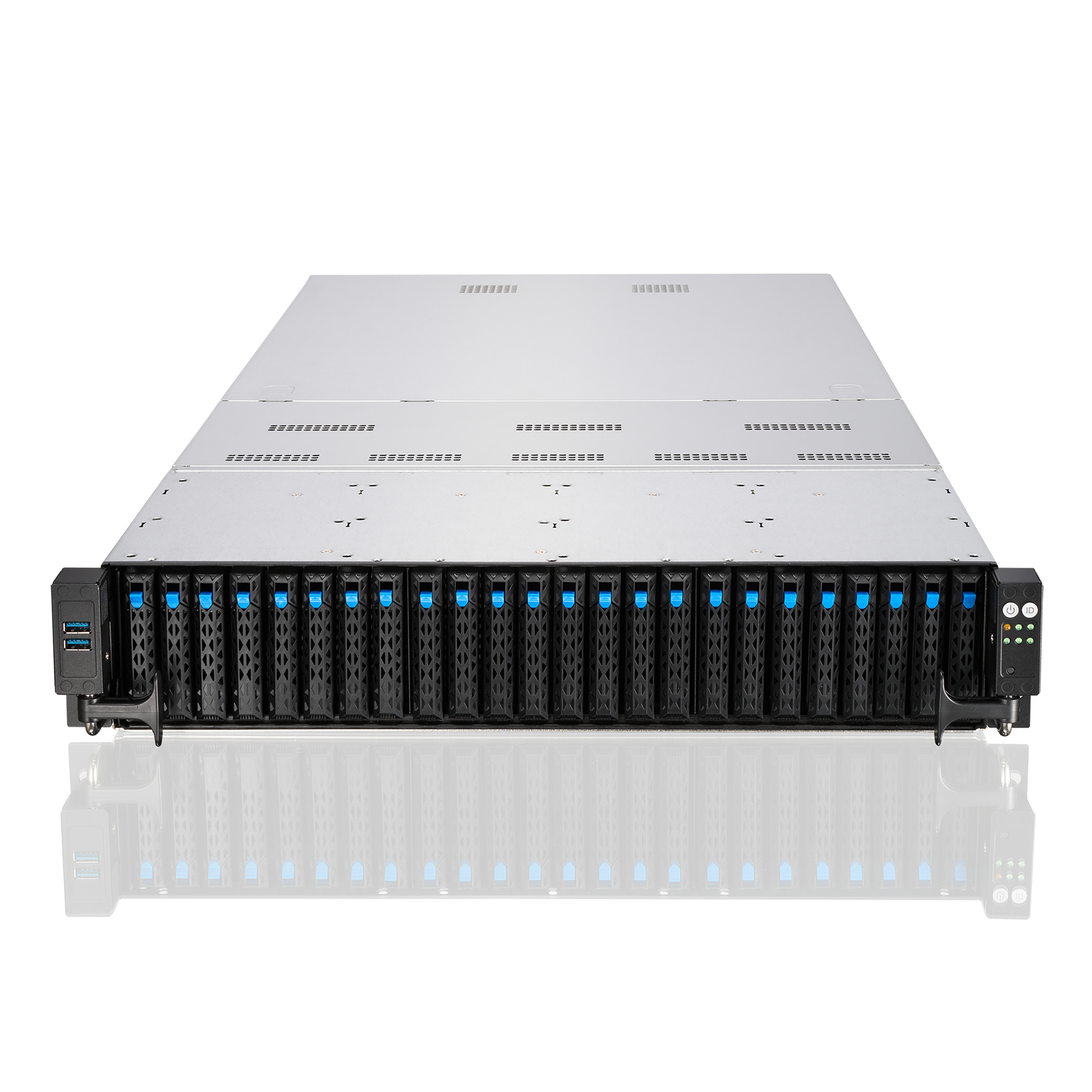
Asus
RS720-E11-RS24U/10G/2.6KW/24NVMe/OCP/GPU