- Cloud Email
Microsoft 365 Administration Tips to Save Time and Money
26 Mar, 2026
£2219.11 inc. VAT
AI-generated summary
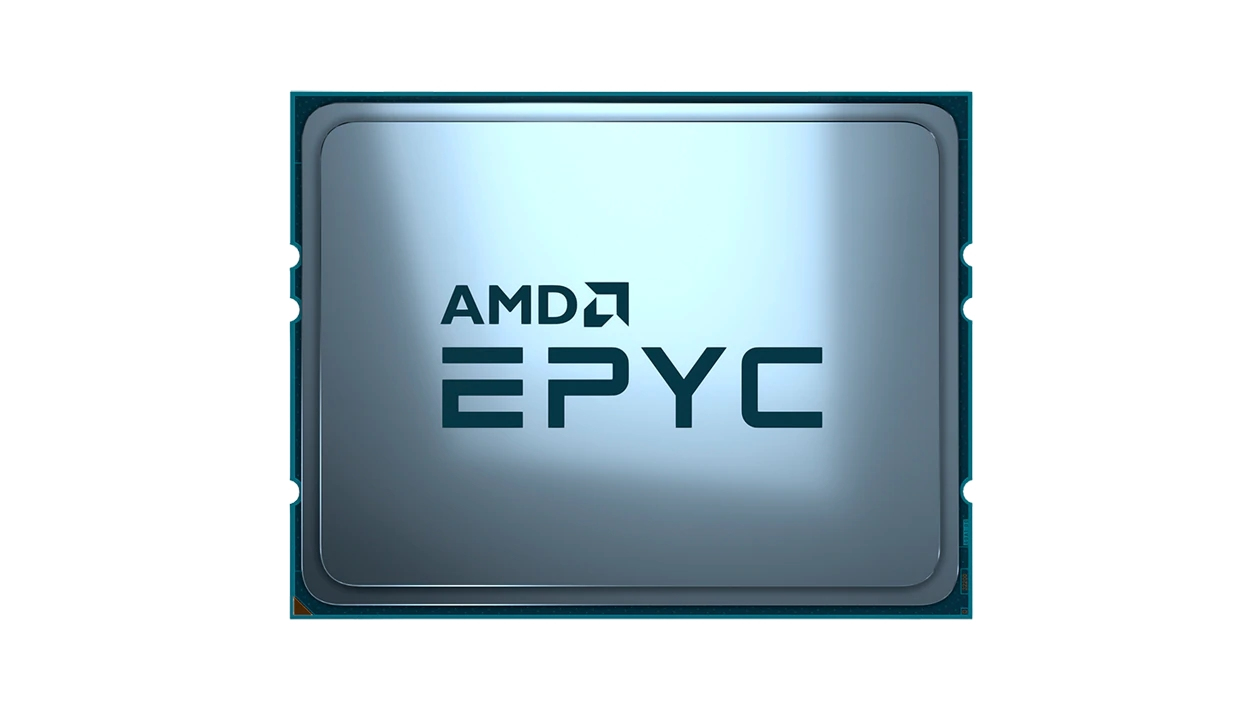
This is one of those “workhorse-but-not-glamorous” server CPUs. For the money (£1,849.26 ex‑VAT), the real question isn’t whether it’s capable—it is—but whether you’re buying it for the right kind of workload and platform. An EPYC 7313 is typically a sensible choice when you need solid, dependable compute in a virtualised environment (multiple VMs/containers), or for general-purpose server roles where performance-per-watt and capacity matter more than chasing peak single-thread. If your existing Lenovo server design supports it cleanly and you’ve got an actual use case for the cores/threads you’re paying for, it can be cost-effective over time.
That said, I’d be cautious if you’re buying this as a “just because we need a processor” upgrade. If you’re mostly doing light application workloads, DBs with very specific single-thread needs, or anything where licensing/per-core sizing is the real bottleneck, you may not see value versus cheaper or differently tiered options. Also, tray pricing means you’ll want to make sure you’ve got the whole deployment correctly handled (cooling, firmware, compatibility), because the CPU cost is only part of the total project. Bottom line: buy it if you’re building/expanding a Lenovo EPYC-based server for real multi-user or virtualised compute; think twice if your workload doesn’t actually benefit from the kind of throughput this class of CPU is meant to deliver.

Lenovo
Intel Xeon Silver 4208 - 2.1 GHz - 8-core - 16 threads - 11 MB cache - for ThinkSystem SN550 7X16
Lenovo
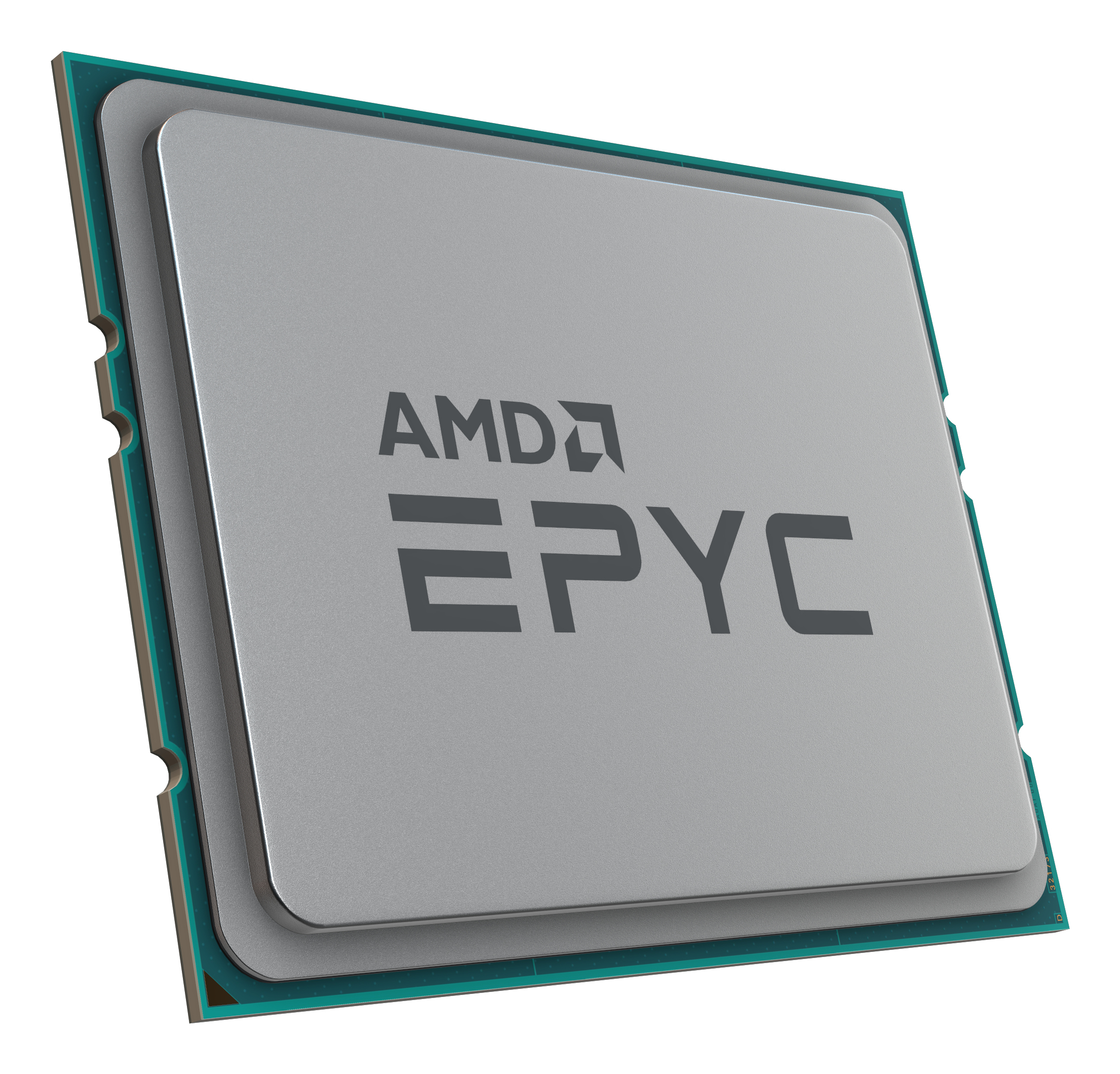
AMD EPYC 7302 - 3 GHz - 16-core - 32 threads - 128 MB cache - for ThinkSystem SR645 7D2X, 7D2Y

Lenovo
Intel Xeon Gold 6430 - 2.1 GHz - 32-core - 64 threads - 60 MB cache - for ThinkSystem SR650 V3
Lenovo
Intel Xeon Silver 4116 - 2.1 GHz - 12-core - 24 threads - 16.5 MB cache - for ThinkSystem SR530